Workers Suffer Wage Reversal Amid Economic Turmoil
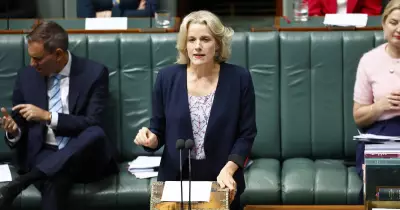
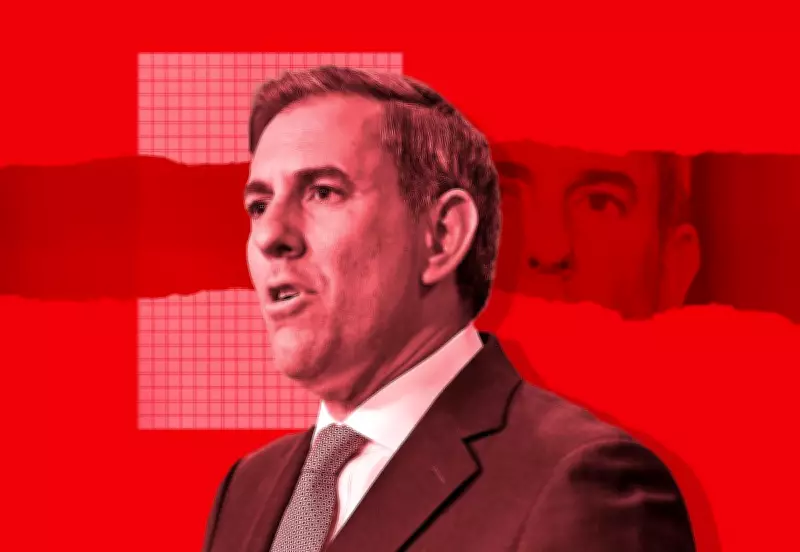
Treasurer Jim Chalmers has recently retreated from key aspects of his plan to increase taxes on multimillion-dollar superannuation accounts, signaling a shift in economic strategy. This move comes as the nation approaches the 2025 Federal election, with Chalmers previously touting successes in lowering inflation, reducing interest rates, and boosting real wages. However, that optimistic outlook now appears distant as economic challenges mount.
Interest Rate Hike Reverses Economic Gains
In a unanimous decision on February 3, Reserve Bank of Australia Governor Michele Bullock and the monetary policy board raised interest rates by 25 basis points to 3.85 percent. This marked the first increase since November 2023 and effectively reversed the effects of the RBA's August rate cut. The move was prompted by inflation soaring to 3.8 percent at the end of last year, well above the RBA's target range of 2-3 percent.
Updated forecasts from the RBA, released earlier this month, project that headline and underlying inflation will remain above target until June 2027, not returning to the midpoint of the band until late 2028. The consumer price index is expected to hit a two-year high of 4.2 percent by mid-year, with board minutes noting that high inflation is broadly based and has increased sharply by historical standards.

Wage Growth Falls Behind Inflation
Strike three in the economic downturn came on Wednesday with new data revealing that Australian workers have seen their pay levels decline in real terms for the first time in over two years. The wage price index edged up just 3.4 percent last year, but when adjusted for inflation, real wages fell by 0.4 percent. This represents the first cut to pay levels since the September quarter of 2023.
A significant disparity exists between public and private sectors. Public servants enjoyed a 4 percent pay increase, resulting in a small 0.2 percent real pay rise during a period of heightened Commonwealth spending. In contrast, private sector workers, with a 3.4 percent increase, saw their pay rises eroded by inflation, marking the fourth consecutive quarter where public sector wages outpaced those in the private sector.
Government Spending Under Scrutiny
This wage gap provides further evidence for economists who argue that government spending is a major driver of inflation and subsequent interest rate increases. Despite this, Treasurer Jim Chalmers took time to criticize former RBA governor Philip Lowe, who has cautioned about government spending. Chalmers suggested that Lowe's criticism stems from not being reappointed by the government, a remark viewed by many as a cheap shot and an indication of mounting pressure on the Treasurer.
There are growing signs that the economic policy wagon is not progressing as smoothly as Labor forecast before its re-election, with families and workers bearing the brunt of the fallout. The editorial responsibility for this analysis lies with Editor-in-Chief Christopher Dore, highlighting the ongoing economic challenges facing Australia.