The UK economy unexpectedly shrank in April, marking the first monthly contraction of the year, as escalating conflict in Iran weighed on business confidence and consumer spending.
GDP Falls 0.3% in April
Gross domestic product fell by 0.3% in April, according to the Office for National Statistics, missing forecasts of a modest 0.1% expansion. The decline was broad-based, with services output dropping 0.3% and manufacturing sliding 0.6%.
Economists had expected the economy to hold steady despite geopolitical tensions, but the data revealed a sharper slowdown than anticipated. The war in Iran has disrupted supply chains, pushed up energy costs, and dampened investment.

Services Sector Hit Hard
The services sector, which accounts for around 80% of UK economic output, saw its first contraction since December. Consumer-facing industries such as retail, hospitality, and travel were particularly affected, as households cut back on discretionary spending amid rising uncertainty.
Business services also weakened, with firms delaying expansion plans and hiring due to the volatile outlook. The ONS noted that the conflict in Iran had created “significant headwinds” for the economy.
Manufacturing and Trade Weaken
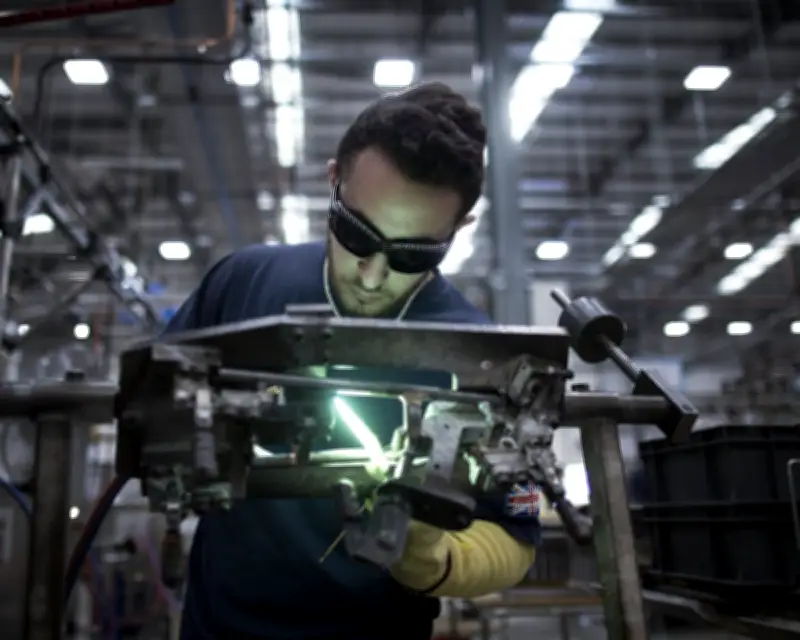
Manufacturing output fell for the second consecutive month, with the downturn accelerating in April. The sector is grappling with higher input costs and disrupted supply routes, especially for energy-intensive industries. Exports to the Middle East and Asia have also declined.
Construction output managed a slight rise of 0.2%, offering a small offset, but overall industrial production was down 0.4%.
Outlook Remains Uncertain
The April contraction is a setback for the government, which has been touting economic recovery after a mild recession last year. Chancellor Rachel Reeves said the figures were “disappointing but not surprising given the global instability caused by the Iran conflict.”
Analysts warn that the economy could face further weakness in the coming months if the war continues. The Bank of England is expected to hold interest rates steady at 5.25% when it meets next week, balancing inflation risks against growth concerns.
“The UK economy is feeling the heat from geopolitical shocks,” said James Smith, an economist at ING. “We may see another quarter of stagnation unless there is a swift de-escalation in the Middle East.”
The ONS will publish its next GDP estimate in July, which will include the full impact of the Iran war on second-quarter growth.