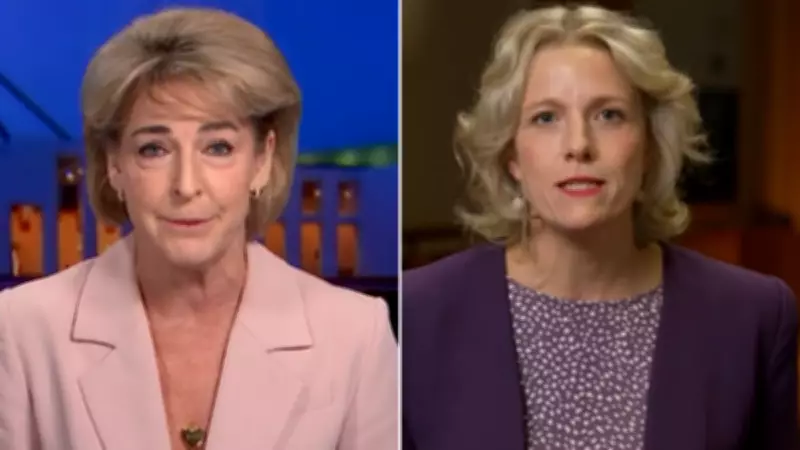
Sunrise Showdown: Ministers Clash Over Economic Fallout of Middle East War
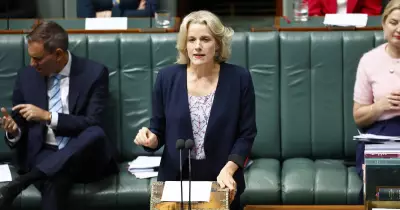
A fiery political confrontation erupted on Channel Seven's Sunrise program on Wednesday morning, with Housing Minister Clare O'Neil and Shadow Attorney General Michaelia Cash engaging in a heated exchange over the economic consequences of the escalating Middle East conflict. The debate intensified as the Opposition accused the federal government of having "destroyed the economy," leaving Australia vulnerable to global shocks.
Tense Exchange Over Economic Blame Game
The two politicians repeatedly spoke over each other during the tense segment, which focused on warnings that the Middle East war could drive up inflation and petrol prices across Australia. Treasury has predicted inflation could rise by 0.15 percent as a direct result of the conflict, while fuel prices may climb by 3.5 percent. Westpac economists have flagged even more concerning projections, suggesting petrol could spike to as much as $3 per litre, creating additional pressure for households already struggling with financial constraints.
The conversation quickly turned into a blame game about who should bear responsibility if Australian household budgets take another significant hit. O'Neil acknowledged the conflict would inevitably impact Australia economically, stating: "A conflict of this size is going to have an economic impact here in Australia. There's still a lot yet to be written about how this will affect Australia's economy. What I do want Australians to know is that the first, second and third priority of our government is helping your family with the cost of living."

Opposition Accuses Government of Economic Mismanagement
Cash countered with sharp criticism of the government's economic management, arguing: "Global events are real, but a competent Australian government ensures that at home we're able to absorb those shocks. That's exactly what the Coalition did during its time in government and why we navigated the once-in-a-100 year pandemic successfully. The issue we have here is Labor have destroyed the economy. They have kept inflation too high for too long."
The Shadow Attorney General further claimed that Reserve Bank Governor Michelle Bullock has warned Labor to rein in spending because "it's fuelling inflation." She added: "This is a government that is very good with words but fails to take responsibility for its own decisions that have kept inflation too high now for too long, while Mum and Dad Australia pay a very sad price."
Government Defends Economic Record
O'Neil defended Labor's economic performance, noting that inflation has fallen from more than 6 percent when the government took office to 3 percent currently, while unemployment remains at historically low levels. She pointed to several government initiatives as evidence of cost-of-living relief:
- Lower taxes for working Australians
- Strengthened Medicare supports
- Cheaper medicines through Pharmaceutical Benefits Scheme reforms
- More affordable childcare options
- Substantial wage increases across multiple sectors
"These are things that Michaelia and her colleagues have opposed," O'Neil asserted before attempting to shift the debate's tone. "I'll just say respectfully to Michaelia, we've got a really significant global event that's just happened here. Not everything has to be turned into a Labour versus Liberal competition."
Cash immediately rejected this characterization, responding: "A competent Opposition points out the failures of the government. And you have failed miserably when it comes to the economy." She accused the government of "making excuses" rather than taking responsibility for economic policy decisions.
Agreement on Military Non-Involvement
Despite the heated economic debate, both ministers adopted a more measured tone when questioned about potential Australian military involvement in the Middle East conflict. Both confirmed that no request had been made for Australian troops to deploy to war zones in the region.

O'Neil stated: "What is going on in the Middle East is a very important incident ... but it's not something that Australia has direct involvement in, nor do we intend to." She emphasized the government's focus remains on closely monitoring developments, supporting Australians in the region, and managing economic consequences domestically.
Cash agreed there was "no indication yet of a request for boots on the ground," noting that even the United States had not flagged such military mobilization. However, she outlined what she described as Australia's strategic responsibilities:
- Backing key allies in the region
- Providing intelligence support where appropriate
- Strengthening sanctions if necessary
- Protecting Australians who have fled the Iranian regime
"The time for talking was over," Cash declared. "What we need is behavioural change."
Economic Uncertainty Looms
The political clash occurs against a backdrop of significant economic uncertainty, with the next interest rate decision scheduled in a fortnight. Financial analysts have left the door open for potential back-to-back rate hikes, adding another layer of complexity to Australia's economic outlook as it navigates the fallout from international conflict.
The Sunrise debate highlighted fundamental disagreements between government and opposition about economic preparedness, responsibility for inflation management, and appropriate responses to global crises that inevitably affect Australian households and businesses.