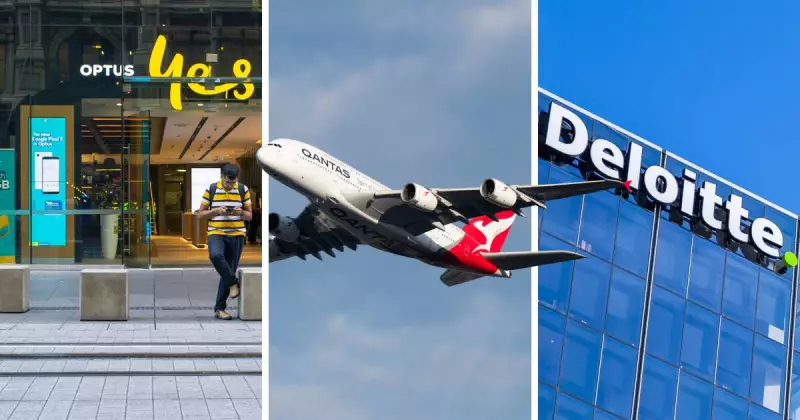
The year 2025 will be remembered as a bruising marathon of corporate missteps, where some of Australia's most prominent institutions engaged in a damaging sprint to the bottom of public trust. From catastrophic communication failures to ethical lapses, brands like Qantas, Optus, and Deloitte provided a masterclass in how not to handle a crisis, leaving customers and stakeholders disillusioned.
A Year of Turbulence and Tragic Silence
The national carrier, Qantas, lived through a year aptly described by every possible pun on the word 'turbulence'. It began with a severe cyber attack compromising the records of 6 million customers. Initially, the airline's proactive communication effort earned some praise. However, this goodwill evaporated when the stolen data later appeared on the dark web. Qantas retreated into a say-as-little-as-possible strategy, showing scant regard for loyal customers now fearing for their financial security.
The carrier's annus horribilis was compounded by being branded Australia's worst company and receiving a media award for corporate misconduct. Further operational failures, like a five-hour flight from Newcastle to Perth with 144 passengers stranded without working toilets, alongside unresolved industrial disputes, made the airline a constant target for public outrage.

Communication Failures With Deadly Consequences
Perhaps the most grave reputation collapse belonged to Optus, following its infamous September 000 system failure. Customers across multiple states were unable to call emergency services, yet were not informed of the critical fault. In a crisis of this magnitude, the cardinal rule is to communicate first with those most impacted—where saving lives must override reputation management. Optus's failure to do so, with tragic outcomes, remains unfathomable and is the subject of ongoing inquiries.
As the year closed, continued service outages and news of a hefty executive bonus further fuelled the nosedive in public confidence. For Optus to recover, it must demonstrate relentless honesty and genuine, visible change.
Leadership, AI, and the Erosion of Trust
The year also highlighted how a leader's personal behaviour directly impacts their brand. Tesla sales in Australia dropped sharply, a slump significantly attributed to public backlash against the polarising statements of its CEO, Elon Musk. The lesson was clear: a leader's controversial actions can inflict severe commercial damage.
In the realm of technology, the unguarded use of Artificial Intelligence delivered another blow to institutional credibility. Professional services giant Deloitte Australia was forced to refund part of a $440,000 government report fee after the document was found to contain AI-generated mistakes and 'hallucinations'. The firm's subsequent apology was perceived as lukewarm and insufficient. This incident underscored a critical warning for all organisations: in an era of declining trust, deploying AI without rigorous human oversight is a recipe for reputational disaster.
Beyond the corporate sphere, tone-deaf actions by public officials also drew ire. A NSW minister resigned over misusing a government car, while a local council faced backlash for sending leaders on a luxury retreat to discuss financial austerity—actions that seemed profoundly disconnected from a cash-strapped community.
Collectively, the blunders of 2025 offer a stark playbook of what to avoid. The essential lessons are universal: communicate early, honestly, and prioritise those affected; understand that leadership behaviour defines brand perception; and never let technology override human accountability. As we look to 2026, the question remains whether Australian brands and leaders have absorbed these painful, costly truths.