WA Fuel Prices Remain High as Federal Excise Cut Fails to Deliver Relief
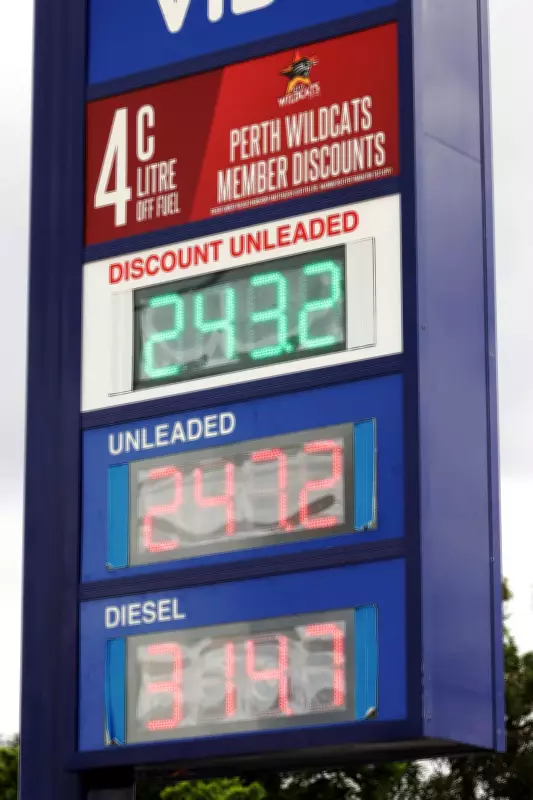
Motorists in Western Australia are still grappling with high fuel prices, with the federal government's recent fuel excise reduction proving largely ineffective at the bowsers. Despite efforts to ease cost-of-living pressures, the impact on petrol and diesel costs has been minimal, leaving many drivers frustrated.
Federal Intervention Falls Short in Western Australia
The federal government implemented a temporary cut to the fuel excise, aiming to provide immediate financial relief to households and businesses. However, in WA, this measure has barely made a dent in the prices displayed at service stations. Industry analysts attribute this to various factors, including global oil market fluctuations, supply chain disruptions, and local retail pricing strategies.
Key factors influencing the persistent high prices include:

- Global crude oil prices remaining volatile due to geopolitical tensions and production changes.
- Supply chain issues affecting fuel distribution and logistics across the state.
- Retail margins maintained by service stations, which may not fully pass on the excise savings to consumers.
Consumer Impact and Regional Variations
For WA residents, the high fuel costs add to broader economic strains, such as rising inflation and increased living expenses. Regional areas, in particular, report even steeper prices compared to metropolitan Perth, exacerbating the financial burden on remote communities and businesses reliant on transportation.
Observations from recent data show:
- Average petrol prices in Perth have seen only marginal decreases post-excise cut.
- Diesel prices remain elevated, impacting freight and agricultural sectors significantly.
- Some regional towns experience prices up to 10-15 cents per litre higher than city averages.
Government and Industry Responses
Federal officials have defended the excise reduction as a necessary step, but acknowledge that broader market forces limit its effectiveness. Meanwhile, WA's state government and consumer advocacy groups are calling for more transparent pricing mechanisms and potential additional measures to ensure savings reach the public.
Industry representatives argue that while the excise cut helps, it is insufficient to counteract the complex global factors driving up costs. They emphasize the need for long-term strategies, such as investing in alternative energy sources and improving fuel efficiency standards.
Future Outlook for Fuel Prices in WA
Looking ahead, experts predict that WA fuel prices are likely to remain high in the near term, with the excise cut set to expire unless extended. Motorists are advised to shop around for the best deals and consider fuel-saving practices, such as regular vehicle maintenance and efficient driving habits.
In summary, the federal fuel excise reduction has provided limited relief for WA drivers, highlighting the challenges of addressing fuel affordability in a volatile global market. Continued monitoring and policy adjustments may be necessary to achieve more substantial impacts on petrol and diesel costs across the state.