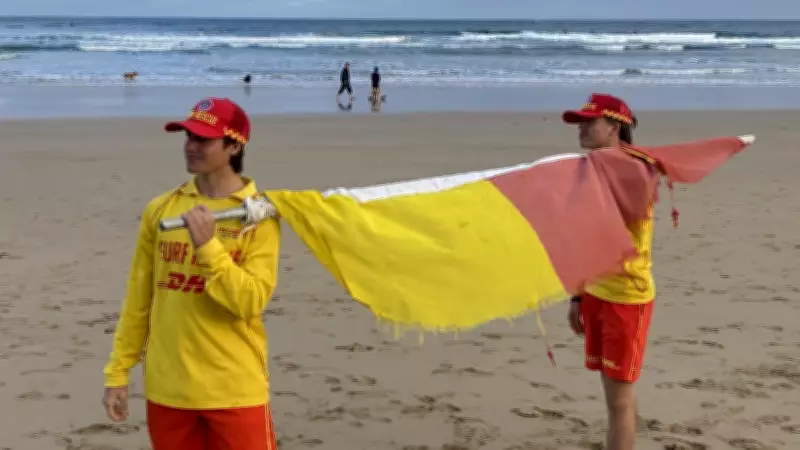
Swimmers along the iconic Great Ocean Road are being urged to exercise extreme caution as popular beaches remain unpatrolled until late November. The annual lifeguard services have not yet commenced for the summer season, leaving many of the region's most frequented swimming spots without professional supervision.
Extended Gap in Lifeguard Coverage
The delay in lifeguard patrols has created a significant gap in beach safety, particularly concerning as warmer weather draws larger crowds to the coastline. Typically, lifeguard services begin in early November, but this year they will not start until later in the month. This leaves a window of several weeks where swimmers must rely on their own judgment and safety precautions.
Safety Concerns for Tourists and Locals
The Great Ocean Road is a major tourist destination, attracting visitors from across Australia and overseas. Many of these visitors may be unfamiliar with local beach conditions, including strong rips and sudden drop-offs. Local authorities emphasize that even experienced swimmers can be caught off guard by unpredictable ocean currents.

- Beaches such as Bells Beach, Torquay, and Lorne will be without lifeguard patrols during this period.
- Emergency services are concerned about the potential for increased rescues and incidents.
- Surf Life Saving Victoria is urging beachgoers to swim only at patrolled beaches where flags are displayed.
Despite the lack of lifeguards, some beaches may still have safety equipment such as rescue tubes and signs warning of hazards. However, the absence of trained professionals to respond quickly to emergencies is a serious concern.
Advice for Beachgoers
Authorities recommend that anyone planning to swim in unpatrolled waters should follow these safety tips:
- Always swim between the red and yellow flags when available.
- Never swim alone; use the buddy system.
- Check local weather and surf conditions before entering the water.
- Be aware of rip currents and how to escape them by swimming parallel to the shore.
- If in trouble, raise an arm to signal for help and conserve energy by floating.
Local surf clubs may conduct volunteer patrols on weekends, but coverage is not guaranteed. The lack of weekday patrols is particularly concerning for families and less experienced swimmers.
As the summer season approaches, the community is calling for earlier deployment of lifeguard services to ensure the safety of all beach users. In the meantime, personal responsibility and caution are paramount when enjoying the beautiful but potentially dangerous waters of the Great Ocean Road.