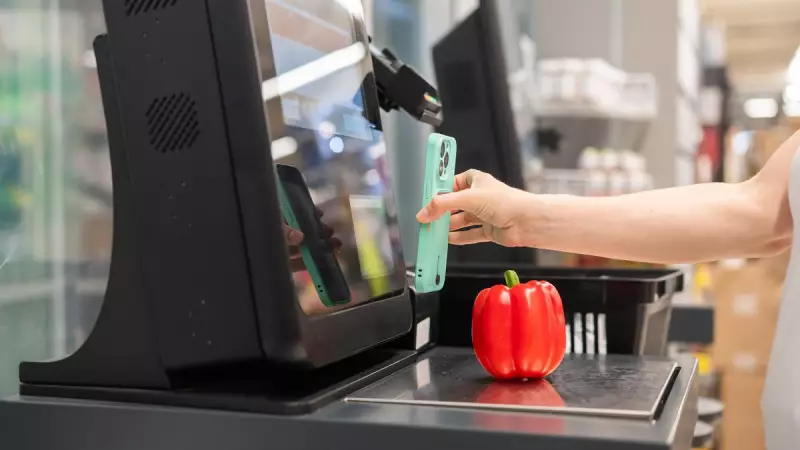
In a thought-provoking opinion piece, workplace expert Gary Martin has challenged a common consumer expectation, arguing that opting for a do-it-yourself approach should not automatically entitle customers to a discount.
The DIY Dilemma: Effort Versus Entitlement
Professor Martin, a prominent figure in organisational behaviour, addresses the growing trend where customers willingly take on tasks traditionally performed by businesses, such as assembling furniture, scanning their own groceries, or checking into flights online. While many assume their labour should be rewarded with a lower price, Martin contends this is a misconception rooted in a flawed understanding of business economics.
Why Businesses Can't Slash Prices for DIY
The core of Martin's argument lies in the structure of business costs. He explains that a significant portion of a company's expenses are fixed, including rent, utilities, insurance, and technology infrastructure. These costs remain constant whether a customer uses a self-service option or relies on staff assistance.

"The belief that we should pay less because we are doing some of the work fails to recognise that businesses still incur the same overheads," Martin states. "The self-service model is often introduced to improve efficiency and speed, not as a cost-saving measure to be passed directly to the consumer."
The Evolution of Customer Service Models
Martin traces the shift towards self-service, noting it has been accelerated by technological advancements and changing consumer preferences for convenience and control. However, he emphasises that this shift is primarily about operational streamlining.
- Businesses invest heavily in developing user-friendly self-service platforms.
- Staff are often redirected to more complex tasks requiring human intervention.
- The overall customer experience is designed to be faster and more accessible.
These factors, according to Martin, mean that the value proposition has changed rather than diminished. Customers gain time and autonomy, which are intangible benefits, rather than a direct financial rebate.
Rethinking Consumer Expectations
The article serves as a call for a recalibration of consumer thinking. Martin suggests that customers should view DIY options through a lens of added convenience and personal efficiency, rather than as an opportunity for monetary saving.
- Assess the time and effort you save by using a streamlined self-service process.
- Consider the control and immediacy it offers over traditional service methods.
- Recognise that business models are adapting to meet modern demands for speed and accessibility.
In conclusion, Gary Martin's analysis provides a clear-eyed perspective on the modern service economy. While the DIY trend empowers customers, it does not inherently reduce the fundamental costs of doing business. Therefore, expecting a discount for your trouble may be an unrealistic demand in today's commercial landscape.