A Townsville man's battle for a refund over a faulty Jeep has ended in a frustrating technical defeat, despite a tribunal finding the vehicle was undeniably unsafe to drive.
Tribunal Finds Vehicle Posed Safety Risk
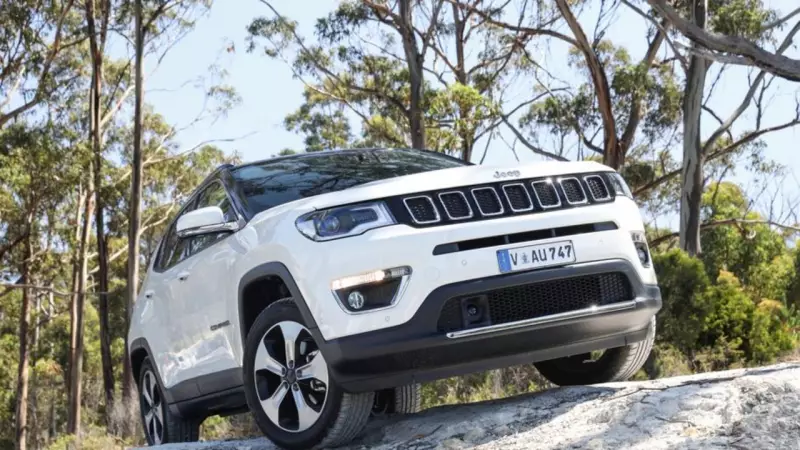
The Queensland Civil and Administrative Tribunal (QCAT) heard that Shane Robert Gorton purchased a 2014 Jeep Grand Cherokee for $31,990 from Used Car Traders Australia Pty Ltd in March 2023. The vehicle was marketed with a statutory warranty. Soon after purchase, Mr. Gorton experienced significant and recurring problems, primarily with the car's electronic stability control and anti-lock braking systems.
An independent mechanical inspection in July 2023 revealed a critical fault. The report stated the Electronic Stability Control (ESC) and Anti-lock Braking System (ABS) warning lights were illuminated, indicating these vital safety systems were not functioning. The inspector concluded the Jeep was "not safe for road use" in its current state.

Armed with this evidence, Mr. Gorton lodged an application with QCAT seeking to reject the vehicle and obtain a full refund. He argued the faults constituted a major failure under Australian Consumer Law, which would entitle him to a refund or replacement.
Legal Technicality Trumps Safety Finding
In a decision published recently, QCAT Member Deane acknowledged the serious nature of the faults. The tribunal formally found that the Jeep "was not safe for road use" and that the defects substantially reduced its value. This finding strongly supported the consumer's case regarding the vehicle's condition.
However, the case turned on a procedural technicality. The tribunal ruled that Mr. Gorton had taken the wrong legal path in his application. Instead of applying under the specific provisions of the Motor Dealers and Chattel Auctioneers Act (MDCAA) for a statutory warranty claim, he had applied under the broader Australian Consumer Law.
Because the vehicle was sold with a statutory warranty, QCAT determined the MDCAA was the correct and exclusive avenue for dispute resolution in this instance. Since Mr. Gorton did not apply under this act, the tribunal stated it had no jurisdiction to grant the refund he sought, regardless of the serious safety defects proven.
"The application must be dismissed," Member Deane concluded, while noting the dismissal did not prevent Mr. Gorton from filing a new, correct application under the appropriate act.
A Cautionary Tale for Queensland Car Buyers
This case serves as a stark reminder for consumers navigating vehicle disputes in Queensland. It highlights the critical importance of following precise legal procedures when seeking redress, even when the facts of the case seem overwhelmingly in their favour.
A vehicle deemed unsafe to drive by an independent expert and confirmed as such by the tribunal was not enough to secure a refund due to an error in the application's legal foundation. The outcome leaves Mr. Gorton with an unsafe vehicle and the prospect of starting the legal process again from scratch.
Consumer advocates warn that such technicalities can create significant barriers for individuals seeking justice. The case underscores the need for consumers to seek specific legal advice or consult resources like the Queensland Office of Fair Trading to ensure they lodge their claim under the correct legislation, especially when statutory warranties are involved.