Millions of Australians will see significant changes to their finances and daily routines from the start of 2026, with a mix of welcome boosts and new costs set to take effect. The new year brings a suite of adjustments, including increased Centrelink payments, revised road tolls, and a new requirement for some retailers to accept cash.
Social Security Payments Receive Indexation Boost
A range of social security payments will be increased from January 1, 2026, following the latest indexation round. This will provide a direct cash boost to students, carers, and other recipients.
The maximum fortnightly Youth Allowance for a single adult living away from home will rise by $13.90 to $684.20. Similarly, income thresholds for student payments and the parental income test for Youth Allowance and ABSTUDY will also be lifted.

Approximately 680,000 people receiving the Carer Allowance will see their fortnightly payment increase by $3.30 to $162.60. This is separate from the Carer Supplement and any other social security payments a carer might receive.
New Rules for Retailers and Road Users
Two major changes will impact how Australians shop and travel. Firstly, a new 'cash is king' mandate will come into force. From January 1, retailers selling groceries or fuel will be legally required to accept cash for transactions, although this only applies for purchases under $500 and between the hours of 7am and 9pm. Small businesses are exempt unless they share a trademark with a larger retailer.
Secondly, drivers in several states will face higher toll charges from New Year's Day, based on quarterly adjustment schedules.
State-by-State Toll Adjustments
In Victoria, motorists using Melbourne's CityLink will see the single trip cap rise by 13 cents to a maximum of $12.38. The 24-hour pass, which also covers the West Gate Tunnel, increases by 21 cents to $23.75. On the West Gate Tunnel itself, the maximum charge for cars rises by 7 cents to $6.61.
In New South Wales, tolls on the Westconnex will increase, with a maximum cap of $12.74 for cars travelling more than 16km in one trip. Heavy vehicles will be capped at $38.22 for the same journey. The state government has also confirmed the $60 weekly toll cap is now permanent, and administration fees on toll notices will be scrapped from mid-2026.
In Queensland, tolls on Brisbane's AirportlinkM7 will increase with indexation. The minimum toll from Bowen Hills to Kedron or Toombul will be $3.58, while the trip from Kedron to Toombul will cost $2.69. Prices on other Brisbane toll roads will remain unchanged until at least June 30, 2026.
Other Key Changes for 2026
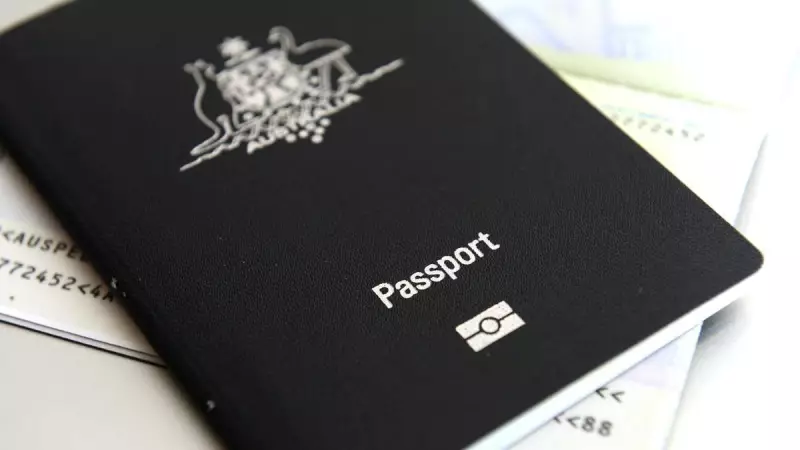
Australians planning international travel will need to budget more for documentation, as passport application fees are set to rise on January 1, 2026. The Department of Foreign Affairs and Trade adjusts fees annually in line with CPI movements. Fees are projected to increase by between $5 and $10, depending on the passport's validity period.
Furthermore, a source of relief for household budgets will come to an end. The federal government's Energy Bill Relief Fund, which provided eligible households with up to $150 in rebates applied directly to electricity bills throughout the second half of 2025, will cease on January 1, 2026.
Collectively, these changes mark a significant shift in the financial landscape for Australian households as they enter the new year, combining targeted support with increased costs for essential services and travel.