Telstra's nationwide outage on Wednesday has severely damaged its long-held reputation as Australia's most reliable mobile network, potentially undermining its ability to charge premium prices and inviting stricter regulation, analysts and politicians say.
Premium Pricing Under Threat
Telstra has historically charged higher prices than rivals Optus and Vodafone, banking on its superior coverage and stability. Its popular SIM-only 50GB mobile plan costs $74 a month, compared to Optus's $60 plan (with more data) and Vodafone's $58 plan. However, the outage—which disrupted millions of customers, including triple zero calls—has eroded that differentiation.
Omkar Joshi, chief investment officer at Opal Capital Management, said the outage dents Telstra's ability to charge a premium. “One of the main differentiators to its competitors was that Telstra didn’t experience network failures. Now that they have, Telstra is lumped into the same bucket,” he said. Telstra's share price fell 3% on Wednesday before partially recovering, but Joshi warned that more outages across the sector increase the likelihood of stricter regulation, which is negative for stocks.

Regulatory and Competitive Headwinds
Telstra faces multiple challenges. The Australian Communications and Media Authority recently changed how mobile coverage is measured, reducing Telstra's official coverage area by about one million square kilometres—larger than New South Wales—undermining its coverage claims. Additionally, Starlink's satellite internet service poses a long-term threat, prompting Morgan Stanley to downgrade Telstra, according to the Australian Financial Review.
Hailey Kim, senior investment analyst at Wilson Asset Management, said satellite technology is a “genuine long-term debate for Telstra” but noted it cannot carry traffic comparable to terrestrial networks. “Where we will be watching closely is whether it slowly closes Telstra’s coverage advantage over Optus and TPG, which is one of the few things that underpinned the premium for the stock,” she said.
Compensation and Political Pressure
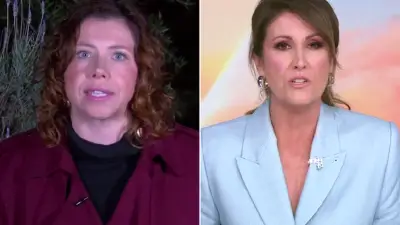
Communications Minister Anika Wells said Telstra should “face the music” and make compensation claims easy for customers. “I would expect that Telstra provides an expedited triage process for its customers to deal with compensation here,” she said. However, CEO Vicki Brady apologised for the impact but avoided direct answers on compensation. CFO Michael Ackland said customers could seek compensation through “business as usual” channels.
Carol Bennett, CEO of the Australian Communications Consumer Action Network, urged Telstra to compensate customers for inconvenience and safety risks. “Telstra should step up and provide their retail customers with adequate compensation for not only the inconvenience but the safety risks this has caused,” she said. She advised customers to keep records of failed payments, missed calls, and appointments as evidence. The telecommunications industry ombudsman, Cynthia Gebert, called compensation “the right thing to do.”
Andy Wei, principal lawyer at Slater and Gordon, noted that telcos are legally bound to deliver services with due care and skill and “to put things right when they fail.”