Rivian CEO RJ Scaringe has issued a stark warning to traditional carmakers: embrace electric vehicles fully or face extinction. In an interview, Scaringe argued that the automotive industry is undergoing a fundamental shift, and companies that fail to invest aggressively in EV technology will be left behind.
Rivian's Rise and Amazon's Backing
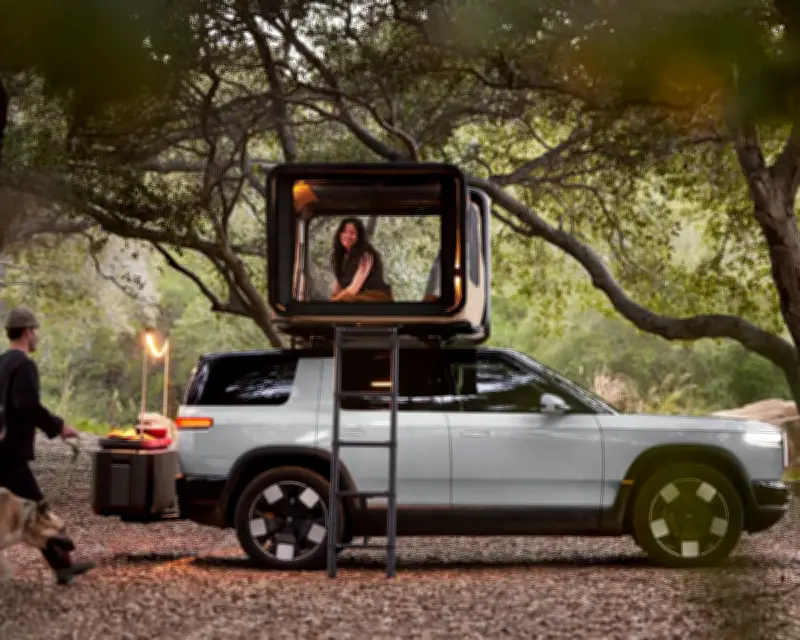
Rivian, backed by Amazon and Ford, has emerged as a key player in the EV market. The company's R1T pickup and R1S SUV have garnered attention for their off-road capabilities and innovative design. Scaringe credited Amazon's investment and partnership for helping Rivian scale production and develop its delivery van, which Amazon plans to deploy in its fleet.
The Warning to Traditional Automakers
Scaringe emphasized that legacy automakers cannot afford to take a half-hearted approach to electrification. "The companies that are going to be successful are the ones that are fully committed, not just dipping their toes in the water," he said. He pointed to Tesla as a prime example of a company that disrupted the industry by going all-in on EVs.

According to Scaringe, the transition to EVs is not just about replacing powertrains but rethinking vehicle architecture, software, and manufacturing processes. He noted that many traditional carmakers are still grappling with legacy costs and organizational inertia.
Challenges Ahead
Despite its successes, Rivian faces its own challenges. The company has struggled with production bottlenecks and supply chain issues, common across the EV industry. Scaringe acknowledged these hurdles but expressed confidence in Rivian's long-term strategy. He also highlighted the importance of building a robust charging infrastructure to support EV adoption.
Industry analysts note that while Rivian's market capitalization has fluctuated, its partnership with Amazon provides a stable revenue stream. Amazon has ordered 100,000 electric delivery vans from Rivian, a deal that underscores the growing demand for commercial EVs.
The Broader EV Landscape
Scaringe's comments come amid a global push for electrification. Governments worldwide are setting ambitious targets to phase out internal combustion engines, and automakers are racing to launch new EV models. However, rising battery costs and raw material shortages pose significant obstacles.
According to a recent report by BloombergNEF, global EV sales are expected to reach 10 million units in 2025, up from 6.6 million in 2021. This growth is driven by consumer demand and regulatory pressure, but profitability remains elusive for many players.
Scaringe's warning serves as a reminder that the EV revolution is not just about technology but also about corporate culture and strategy. As the industry evolves, the divide between leaders and laggards will widen.