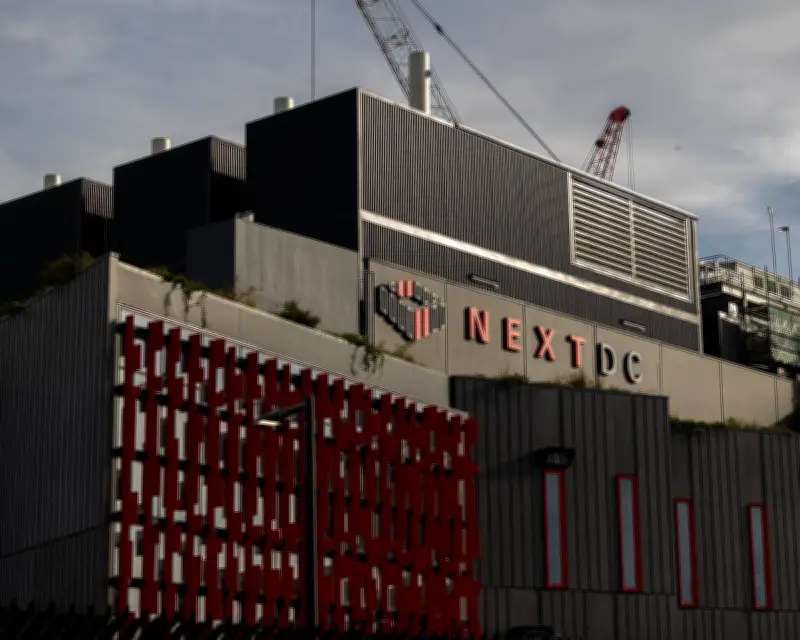
The rapid expansion of artificial intelligence datacentres is intensifying competition for industrial land across Australia, putting pressure on freight logistics, supply chains, and housing affordability, according to industry experts and property analysts.
Growing Demand for Land
Australia's industrial land market is experiencing unprecedented demand as technology giants and cloud providers race to build massive datacentres to support AI workloads. This surge is colliding with the needs of traditional logistics operators, warehouses, and even residential developers, driving up land prices and reducing availability. According to a report by property firm CBRE, datacentre absorption of industrial space in Sydney and Melbourne has tripled in the past two years.
Impact on Freight and Logistics
The competition is particularly acute in key logistics hubs near major cities, where land earmarked for freight terminals and distribution centres is being snapped up for datacentre construction. The Australian Logistics Council warned that this trend could lead to higher transport costs and delays, as operators are forced to relocate to more distant sites. “We are seeing a perfect storm where the insatiable appetite for AI infrastructure is directly competing with the land needed to keep goods moving efficiently,” said council CEO Brad Williams.

Housing Market Pressures
Beyond logistics, the land squeeze is also affecting housing affordability. In outer suburbs of Sydney and Melbourne, former industrial zones that were slated for residential development are being repurposed for datacentres, which offer higher returns for landowners. This reduces the supply of land for new homes, exacerbating Australia's housing crisis. The Housing Industry Association noted that the conversion of industrial land to datacentre use has removed potential sites for at least 10,000 new dwellings over the past three years.
Energy and Infrastructure Strain
Datacentres also place immense strain on energy grids and water resources, with each facility consuming as much electricity as a small town. The Australian Energy Market Operator has flagged that the growth of datacentres could require significant grid upgrades, potentially delaying renewable energy projects. In response, some state governments are considering zoning changes to steer datacentres to regional areas with surplus renewable energy capacity.
Policy Responses
Federal and state governments are grappling with how to balance the economic benefits of AI infrastructure against the competing demands for land. The NSW government has launched a review of industrial land use, while Victoria is exploring tax incentives for datacentres to locate in regional centres. However, critics argue that without stronger planning controls, the market will continue to prioritise datacentres over essential logistics and housing. “We need a national strategy to ensure that AI growth does not come at the expense of our supply chains and housing affordability,” said Professor Sarah Jones, an urban planning expert at the University of Sydney.
Outlook
With AI adoption accelerating, the demand for datacentres is expected to grow by 20% annually over the next five years, according to industry estimates. This will likely intensify the competition for industrial land, prompting calls for more coordinated planning and investment in regional infrastructure to alleviate pressure on prime sites.