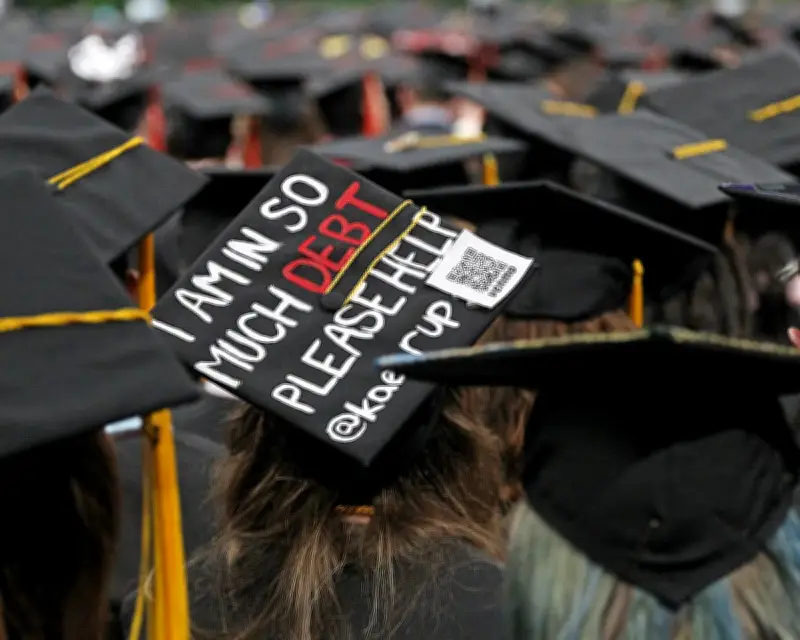
The United States student debt repayment system is set for a significant transformation, with the Biden administration introducing sweeping changes aimed at making repayments more manageable for millions of borrowers. The new rules, which take effect in phases starting later this year, will overhaul income-driven repayment plans, reduce interest accumulation, and automate enrollment for eligible borrowers.
Key Changes to Income-Driven Repayment
The cornerstone of the reform is a revamped income-driven repayment (IDR) plan, known as the Saving on a Valuable Education (SAVE) plan. Under the SAVE plan, borrowers will see their monthly payments cut in half compared to existing IDR plans. For undergraduate loans, payments will be capped at 5% of discretionary income, down from 10%. For graduate loans, the cap will be 10%.
Additionally, the new plan will forgive remaining balances after 10 years for borrowers with original loan balances of $12,000 or less, rather than the standard 20- or 25-year periods. This change aims to speed up relief for those with smaller debts.

Reduced Interest Accumulation
The SAVE plan also includes a provision that prevents interest from accruing when a borrower makes their monthly payment. If the payment is not enough to cover the interest, the government will cover the remaining interest, ensuring that the loan balance does not grow over time. This addresses a common complaint that IDR plans often result in balances increasing despite regular payments.
Automatic Enrollment and Streamlined Processes
The Education Department will automatically enroll borrowers who are delinquent on their loans into the SAVE plan, provided they have previously given consent. This move is intended to prevent defaults and reduce the administrative burden on borrowers. The department will also simplify the recertification process for IDR plans, making it easier for borrowers to stay enrolled.
Impact on Borrowers
An estimated 20 million borrowers could benefit from the SAVE plan, with many seeing their monthly payments drop to zero. For example, a single borrower earning $32,800 or less annually would have no payment obligation. The changes are expected to significantly reduce default rates and provide long-term financial relief.
Critics, however, argue that the plan could be costly for taxpayers and may encourage colleges to raise tuition further. Some Republican lawmakers have vowed to challenge the reforms in court, claiming the administration overstepped its authority.
Timeline for Implementation
The SAVE plan will be available for enrollment starting in July 2024, with automatic enrollment for delinquent borrowers beginning in early 2025. The full benefits, including the 5% payment cap and interest subsidy, will be phased in over the next two years. Borrowers are encouraged to visit the Federal Student Aid website for more information and to apply for the plan.