NAB Issues Stark Inflation Warning Amid Fuel Panic Buying Crisis
National Australia Bank (NAB) has raised alarm bells, warning that inflation in Australia could surge to as high as 5 per cent, driven by escalating fuel prices as drivers engage in panic buying amid ongoing turmoil in the Middle East. This development threatens to exacerbate economic pressures on households and businesses already grappling with rising costs.
Middle East Unrest Triggers Fuel Supply Fears
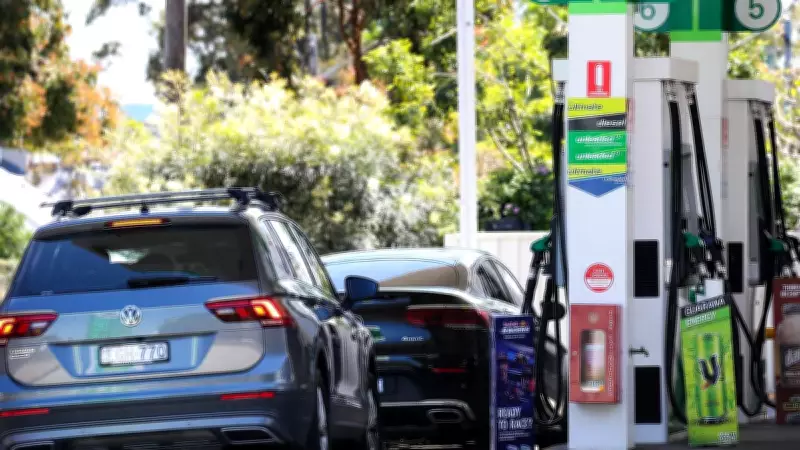
The instability in the Middle East has sparked widespread concerns over potential disruptions to global oil supplies, leading to a sharp increase in petrol prices across Australia. In response, many Australian drivers have rushed to fuel stations, engaging in panic buying to stock up before prices climb further. This behavior has created shortages in some areas, adding to the inflationary pressures highlighted by NAB.
NAB economists have pointed out that the combination of higher fuel costs and panic-induced demand could push the inflation rate toward the 5 per cent mark, a level not seen in recent years. This warning comes as the bank monitors the situation closely, noting that sustained high inflation could force the Reserve Bank of Australia to consider further interest rate hikes, impacting mortgage holders and consumers nationwide.

Economic Implications and Consumer Impact
The panic buying of petrol is not just a short-term issue; it reflects broader anxieties about energy security and economic stability. With fuel being a critical component of daily life and business operations, any sustained price increase could ripple through the economy, affecting transportation costs, goods prices, and overall consumer spending.
Experts suggest that this scenario underscores the vulnerability of Australia's economy to global geopolitical events, particularly those affecting oil-producing regions. The Middle East turmoil has already led to volatility in international oil markets, and if the situation worsens, it could prolong the inflationary spike, making it harder for policymakers to manage.
Government and Industry Responses
In light of these developments, there have been calls for government intervention to stabilize fuel supplies and mitigate price shocks. Industry groups are urging calm among consumers, advising against panic buying to prevent exacerbating shortages. Meanwhile, NAB continues to advocate for proactive measures to cushion the economy from such external shocks.
As the situation evolves, Australian drivers are advised to stay informed and avoid unnecessary stockpiling, which could worsen the crisis. The bank's warning serves as a critical reminder of the interconnectedness of global events and local economic health, highlighting the need for resilience in the face of uncertainty.