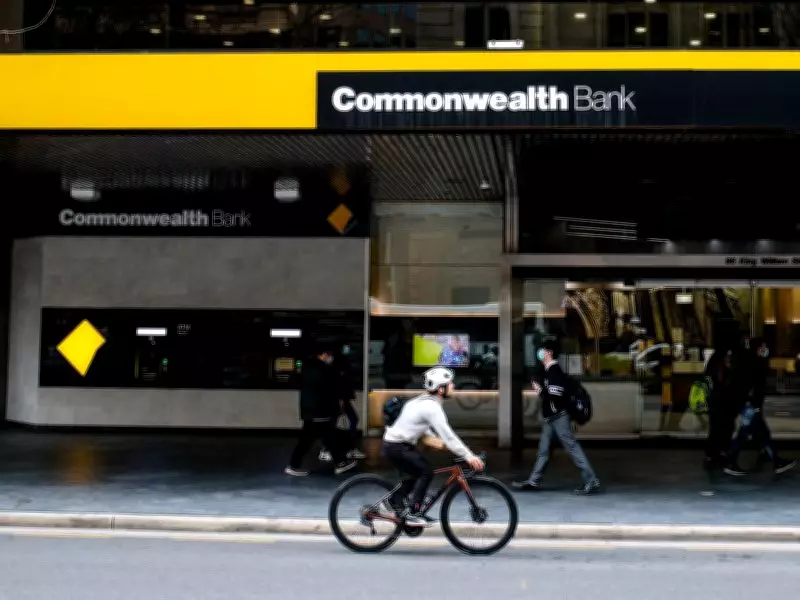
Commonwealth Bank Reports Massive Mortgage Fraud Scheme to Authorities
The Commonwealth Bank of Australia has taken the extraordinary step of reporting itself to police over what could amount to $1 billion in potential mortgage fraud. The bank has identified a significant spike in suspicious loan applications, with many documents believed to have been created using sophisticated artificial intelligence technology.
If these allegations are proven, this would represent the largest fraud case ever brought against one of Australia's major financial institutions, sending shockwaves through the banking sector and raising serious questions about lending security protocols.
Sophisticated AI-Driven Fraud Operation
Cybersecurity expert Luke Irwin from Aegis Cybersecurity has provided crucial insights into how these fraudulent operations are being conducted. According to Irwin, organized hacking groups have been systematically collecting and collating personal data stolen from previous major data breaches that have affected millions of Australians.

"The hacking groups would have collected and collated the data that's come out of the other previous data breaches that we've had over the last few years," Irwin explained. "This includes information stolen from Optus, Medibank, Latitude, Qantas, and other major companies of similar scale and size."
These criminal organizations are then using this stolen personal information to create highly convincing fraudulent documents through various AI tools. The sophisticated technology allows them to generate documents that appear completely authentic, including:
- Fake payslips with accurate formatting and company details
- Fraudulent rates notices with proper municipal branding
- Counterfeit bank statements with convincing transaction histories
- Other financial documents necessary for loan applications
Stolen Identity Data Fuels Fraudulent Applications
The cybersecurity expert revealed that the stolen data includes comprehensive personal information that makes these fake identities particularly convincing. The compromised information typically contains:
- Full names and aliases
- Current and previous residential addresses
- Personal and mobile phone numbers
- Complete date of birth information
- Other identifying details necessary for identity verification
"They'll then use that, run it through various AI tools to create a document, be it a pay slip, rates notice, a bank notice, to make it look exactly like the real thing," Irwin emphasized, highlighting the sophistication of these fraudulent operations.
Not an Isolated Incident in Australian Banking
This alarming case follows similar patterns seen across the Australian banking sector. Just last year, the National Australia Bank was allegedly defrauded by a criminal syndicate for approximately $150 million, demonstrating that these sophisticated attacks are becoming increasingly common against major financial institutions.
Irwin suggests these incidents point to broader systemic issues within banking lending processes and risk management frameworks. "There is a constant pressure in these organizations to shorten the time between action and decision," he noted, explaining how security protocols can become compromised in the pursuit of efficiency.
"Every time there's that pressure, the cybersecurity governance processes around that tend to get shortened or clipped or pruned because it's slowing the business down," Irwin added, highlighting the tension between operational efficiency and security compliance.
Urgent Need for Enhanced Verification Processes
The cybersecurity expert has called for immediate implementation of stronger verification processes within banking institutions. He recommends several crucial steps that banks should take to combat this growing threat:

- Direct contact with employers to verify employment status and salary information
- Enhanced identity verification beyond document examination
- Multi-factor authentication for all loan application processes
- Regular staff training on identifying sophisticated fraudulent documents
"The problem is that these attacks and these fraudulent documents these hackers are creating are picture perfect," Irwin warned. "You need to actually go and check with their employer to make sure they are who they say they are and what they're being paid is what they claim."
AI Arms Race Between Banks and Criminals
Irwin emphasized the concerning reality that while legitimate financial institutions are increasingly adopting artificial intelligence to improve their services and security, criminal organizations are simultaneously leveraging the same technology for fraudulent purposes. This creates a technological arms race where both sides are constantly developing more sophisticated tools.
The expert stressed that early detection systems and comprehensive staff training have become more crucial than ever in staying ahead of these evolving fraud techniques. Banks must invest in both technological solutions and human expertise to identify and prevent these sophisticated attacks before they result in significant financial losses.
As the investigation continues, the Commonwealth Bank case serves as a stark warning to the entire financial sector about the growing sophistication of cybercrime and the urgent need for enhanced security measures in an increasingly digital banking environment.