Cash Use Increases in Australia, Marking First Uptick Since 2007
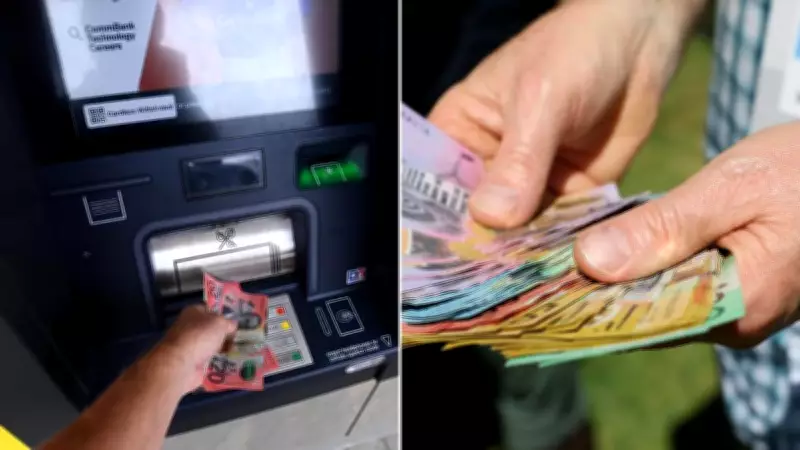
Pro-cash advocates are celebrating a resurgence in the use of physical money, as recent data from the Reserve Bank of Australia reveals a notable increase in cash transactions. According to the latest consumer payments survey, cash accounted for about 15 per cent of all payments in 2025, up from 13 per cent in 2022. This marks the first time since 2007, when cash was used for 70 per cent of purchases, that the trend has reversed, signaling a potential comeback for notes and coins.
Widespread Cash Usage Across Demographics
The survey highlights that approximately half of all Australians use cash in a typical week, with 1.5 million adults depending primarily on it for their payments. Additionally, three-quarters of the population carry cash for emergencies, holding a median amount of $65. While people from all demographic groups regularly use cash, the RBA found that older Australians and lower-income households tend to use it more frequently. Regional areas also show higher cash usage compared to capital cities, though this gap has narrowed since the 2010s.
Cash in Leisure and Small Transactions
Australians are more likely to use cash for leisure activities, such as visiting cinemas or attending local community events. However, its use has declined significantly in areas like dining out and paying for transport, including taxis and parking. Cash remains most common for smaller transactions, with one in four payments under $10 made using physical money. The RBA emphasized that about one-third of Australians would face hardship or major inconvenience if cash became difficult to access or if shops stopped accepting it, underscoring its role in an inclusive and resilient payments system.

Advocacy and Future Outlook
National Seniors Australia, which runs the annual Keep Cash campaign, hailed the survey results as evidence that cash is making a comeback. CEO Chris Grice noted that cash usage is highest among those aged 65 and over, lower-income earners, and regional residents, reinforcing their mantra to use it or lose it. Meanwhile, cash advocates are planning Cash Out Day on April 28, aiming to withdraw large amounts from ATMs to signal to the government and banks that cash remains vital for many. Campaigner Jason Bryce hopes for two million participants, while ABA chief executive Simon Birmingham reassured that cash isn't going anywhere, emphasizing its daily accessibility and cautioning against unnecessary withdrawals.