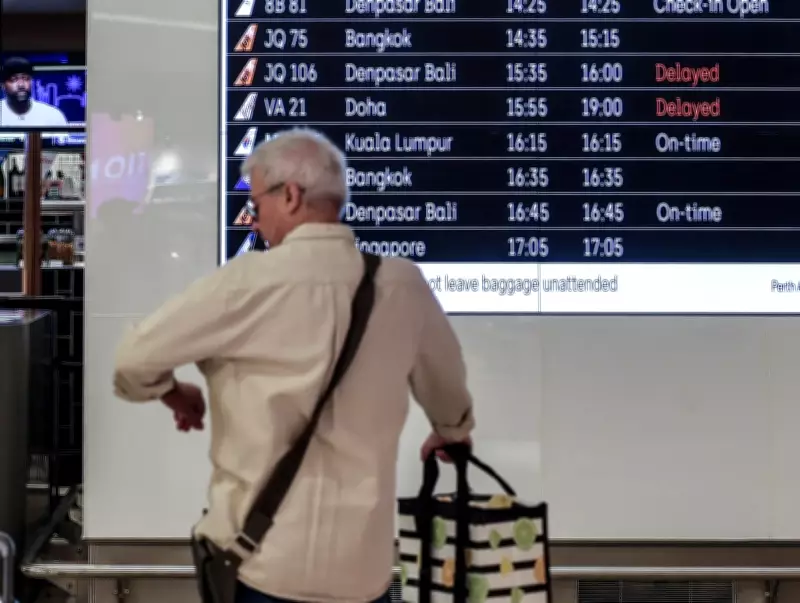
War's Impact on Global Air Travel: Thousands of Flights Cancelled, Travellers Stranded
The outbreak of war in the Middle East has triggered a massive disruption to global air travel, with over 10,000 flights cancelled since the conflict began on Saturday. This has left many Western Australian travellers unable to return home, while others are stuck abroad or facing delays in their departure plans. The closure of significant airspace in the region has severely impacted operations, particularly affecting flights from major carriers like Qatar Airways and Emirates.
Insurance Exclusions and Traveller Dilemmas
Most standard travel insurance policies do not cover events arising from war, military action, hostilities, or official airspace closures. Natalie Ball, managing director of Comparetravelinsurance.com.au, emphasises that this exclusion applies regardless of when the policy was purchased. She states, "Even if you purchased your policy well before these events unfolded, the exclusion still applies." However, travellers already stranded due to cancellations may have insurance that reimburses hotel bills and food expenses during delays, as well as costs from missed flights.
Practical Steps for Affected Travellers
Natalie advises those with disrupted flights to deal directly with their airline or travel provider first. She explains, "If the airline cancels your flight, you are generally entitled to a refund or alternative transport." For individuals booked to visit or transit affected parts of the Middle East, it is crucial to monitor official advisories and airline communications closely. Staying in contact with the airline or booking agent and understanding available flexibility is essential.

The situation has compressed air traffic into much-demanded routes as airlines reroute around combat zones. This article will be updated with a full story in Saturday Travel, providing further insights into the ongoing implications for travellers worldwide.