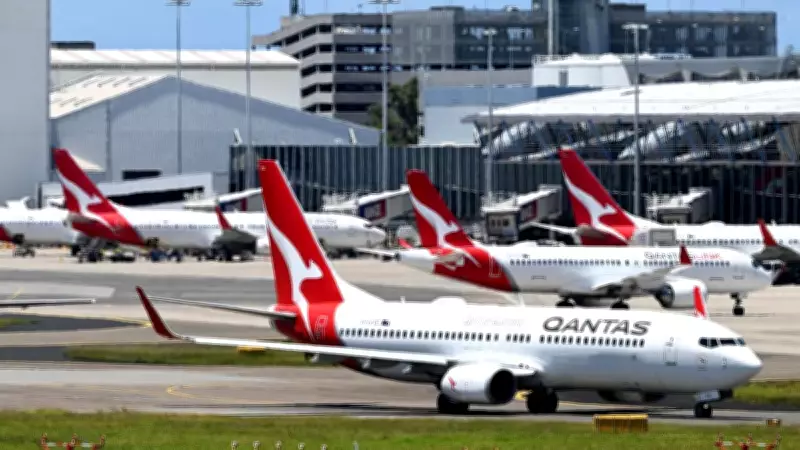
Qantas Forced to Reduce Passenger Capacity as War Drives Up Fuel Costs
In a significant move reflecting the harsh realities of the global aviation industry, Qantas has announced it is slashing passenger capacity. This decision comes as the airline grapples with soaring fuel costs, which have been exacerbated by ongoing international conflicts and geopolitical tensions. The impact is being felt across the business sector, with Qantas forced to adjust its operations to mitigate financial strain.
Economic Pressures Mount for Australia's Flag Carrier
The rise in fuel prices, driven largely by war-related disruptions to global oil supplies, has placed immense pressure on Qantas's bottom line. As one of Australia's leading airlines, Qantas is now implementing capacity cuts to manage these increased expenses. This involves reducing the number of available seats on certain routes, which could affect travel plans for passengers and potentially lead to higher ticket prices in the future.
Industry analysts note that such measures are becoming more common among airlines worldwide as they navigate the volatile economic landscape. For Qantas, this move is a strategic response to maintain profitability while dealing with the unpredictable nature of fuel markets. The airline has emphasized that it remains committed to serving its customers, but adjustments are necessary to ensure long-term sustainability.

Broader Implications for the Aviation Sector
The capacity slashes by Qantas highlight broader challenges facing the aviation industry. With fuel costs surging due to geopolitical factors, airlines are being forced to make tough decisions that impact both their operations and consumer experiences. This situation underscores the interconnectedness of global events and local businesses, as conflicts abroad directly influence domestic economic conditions.
Passengers may experience changes such as reduced flight frequencies or altered schedules, as Qantas optimizes its network to cope with the financial burden. The airline is also exploring other cost-saving measures, including operational efficiencies and potential adjustments to its fleet management. Despite these challenges, Qantas aims to minimize disruption and continue providing reliable service to travelers.
As the situation evolves, stakeholders in the aviation sector will be closely monitoring how Qantas and other airlines adapt to these economic pressures. The outcome could set precedents for how the industry manages similar crises in the future, emphasizing the need for resilience and strategic planning in an increasingly uncertain world.