Qantas Airways is embarking on a significant corporate transformation under its new chief executive, with a sweeping leadership overhaul and potential job cuts at its head office now on the table.
A New Leadership Structure Takes Flight
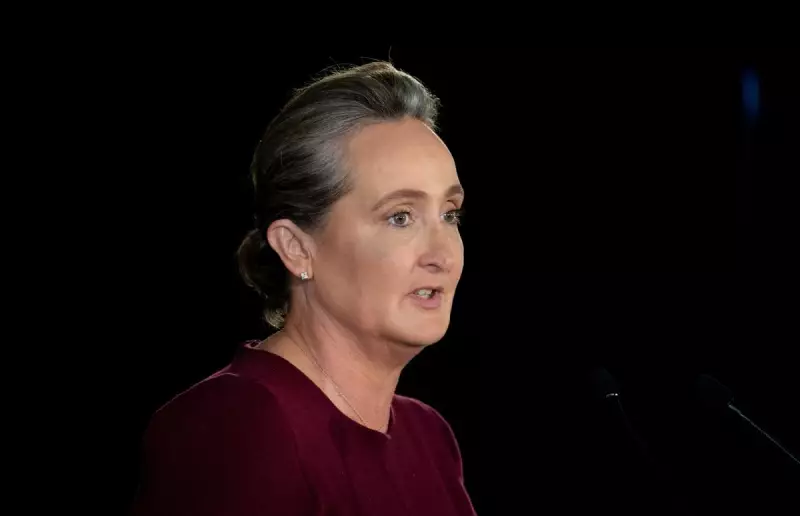
The airline's CEO, Vanessa Hudson, who took the reins in September, has unveiled a major restructure of her executive team. This move is a central part of her strategy to reset the national carrier after a period of intense public and political scrutiny. The changes see several new faces in key roles and a reshuffling of responsibilities designed to sharpen the airline's focus on its core operations and customer service.
Among the notable appointments, Catriona Larritt has been promoted to the role of Chief Customer and Digital Officer. She will be responsible for the crucial areas of customer experience, digital innovation, and marketing. Meanwhile, Markus Svensson will step into the position of Chief Commercial Officer, taking charge of the airline's global network, sales, and alliances.

The reshuffle also involves internal moves, with Alex Passerini being appointed as the Chief Executive of Qantas Loyalty. This places the highly profitable Frequent Flyer program under dedicated leadership. Furthermore, Colin Hughes will continue to lead the airline's operations, but his role has been expanded and he will now report directly to CEO Vanessa Hudson, underscoring the heightened focus on operational reliability.
Focus on Efficiency and Cost Review
Alongside the leadership changes, Hudson has signalled a rigorous review of the airline's cost base, with a particular focus on its corporate and head office functions. The CEO confirmed that this review is likely to result in job reductions within these non-operational areas. While specific numbers were not disclosed, the move is framed as a necessary step to simplify the organisation and ensure resources are directed towards frontline services and strategic priorities.
This cost-cutting initiative follows a period of record profitability for Qantas, which has drawn criticism from consumers and politicians alike regarding high airfares and service standards. Hudson's strategy appears to be a direct response to these pressures, aiming to rebuild public trust while also preparing the airline for future challenges in a competitive market.
The executive team revamp and the impending review of head office roles represent the first major structural changes implemented by Hudson since her appointment. They are widely seen as an effort to draw a line under the controversies of the past year and chart a new course for the Flying Kangaroo.
Strategic Reset for the National Carrier
The broader context for these changes is what Hudson has termed a "reset" for Qantas. This involves not only internal restructuring but also a renewed public commitment to improving customer satisfaction. The airline has faced significant reputational damage, including a ACCC lawsuit over cancelled flights and a High Court ruling on illegal sacking of ground staff.
By streamlining leadership and reducing corporate overheads, Hudson aims to create a more agile and customer-centric organisation. The promotion of a dedicated Chief Customer Officer to the executive team is a clear signal of this intent. The coming months will be critical in determining whether these structural shifts translate into a tangible improvement in the travel experience for Qantas passengers and a more sustainable operational model for the airline.
As the aviation industry continues its recovery, Qantas's strategic moves under its new CEO will be closely watched by investors, employees, and the travelling public across Australia and beyond.