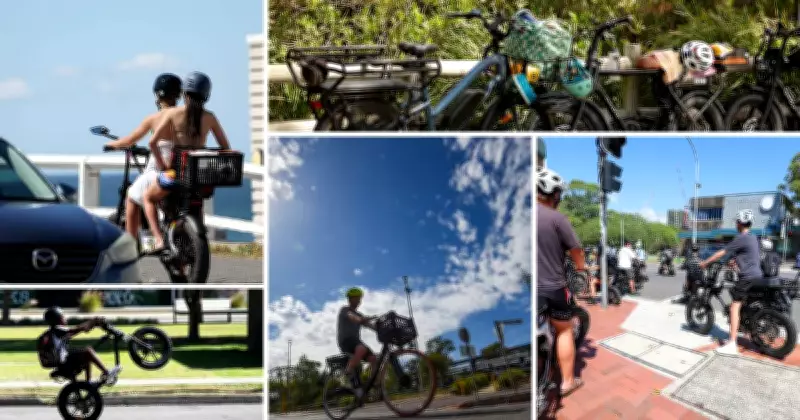
New South Wales Introduces Sweeping E-Bike Regulations to Boost Safety
The New South Wales government has rolled out a series of stringent new rules targeting electric bicycles, commonly known as e-bikes, in a decisive move to clamp down on safety hazards and enhance road security. These comprehensive changes come amid growing concerns over the rapid proliferation of e-bikes and their associated risks on public roads and pathways.
Key Changes to E-Bike Regulations in NSW
The latest regulatory adjustments encompass several critical areas designed to standardise e-bike usage and mitigate potential dangers. One of the most significant updates is the imposition of a strict speed limit, capping e-bikes at 25 kilometres per hour when ridden on shared paths and footpaths. This measure aims to reduce collisions with pedestrians and other vulnerable road users, fostering a safer communal environment.
Additionally, the new rules introduce mandatory age restrictions, prohibiting riders under the age of 16 from operating e-bikes unless under direct adult supervision. This provision seeks to address concerns about younger, less experienced individuals handling these motorised vehicles, which can reach higher speeds than traditional bicycles.

Safety Gear and Equipment Requirements
In a bid to further bolster safety, the regulations now enforce the compulsory use of helmets for all e-bike riders, aligning with existing laws for conventional bicycles. Moreover, e-bikes must be equipped with functional lights and reflectors if ridden during low-light conditions or at night, ensuring visibility and reducing the risk of accidents.
The government has also clarified classification standards, distinguishing e-bikes from more powerful electric vehicles like scooters or motorcycles. E-bikes are defined as pedal-assisted cycles with a motor output not exceeding 250 watts, which cuts off automatically once the bike reaches 25 km/h. This delineation helps prevent misuse and ensures compliance with appropriate vehicle categories.
Enforcement and Penalties for Non-Compliance
To uphold these new standards, authorities have announced enhanced enforcement mechanisms, including increased patrols and fines for violations. Riders found exceeding the speed limit or flouting age and safety gear requirements could face substantial penalties, reinforcing the seriousness of the regulations.
Transport officials emphasise that these changes are part of a broader strategy to integrate e-bikes safely into NSW's transport ecosystem, balancing innovation with public welfare. They urge all e-bike users to familiarise themselves with the updated rules to avoid legal repercussions and contribute to safer roads.
Impact on E-Bike Users and Industry
The clampdown is expected to affect a wide range of stakeholders, from daily commuters and recreational riders to retailers and manufacturers. While some users may welcome the heightened safety measures, others might find the restrictions limiting, particularly in urban areas where e-bikes have become a popular alternative to cars.
Industry experts predict that these regulations could set a precedent for other Australian states, potentially leading to nationwide standardisation. They also highlight the importance of public education campaigns to ensure smooth adoption and compliance across communities.
Overall, the NSW government's proactive approach reflects a commitment to addressing emerging transport challenges, aiming to create a safer, more regulated environment for all road users as e-bike popularity continues to surge.