Middle East Conflict Sparks Aviation Safety Alerts and Flight Disruptions
Australians are being urgently warned that it is unsafe to fly through certain parts of the Middle East, as the escalating war in the region severely disrupts major international flight routes. Airlines are now forced to divert aircraft around active conflict zones, leading to significant operational challenges and safety concerns.
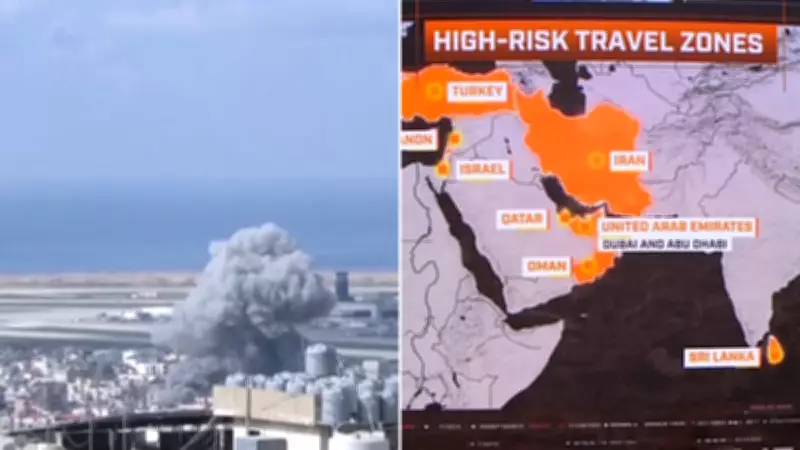
The warning follows the emergence of dramatic footage showing a Middle Eastern Airlines plane taking off from Beirut while massive plumes of smoke and explosions illuminated the nearby sky. This visual evidence underscores the immediate dangers posed by the ongoing hostilities.
Expert Insights on Aviation Safety and Conflict Duration
Former Qantas and military pilot Richard Woodward provided a stark assessment of the situation, stating that operating planes near missile strikes and explosions is unequivocally unsafe. "The short answer is no," Woodward emphasized during an interview on Sunrise on Friday. He highlighted the rapid depletion of ammunition in modern conflicts, suggesting that the most intense phase might last only three to four days before missile activity diminishes.

In contrast, Foreign Minister Penny Wong has urged Australians to reconsider their travel plans, with some experts predicting the crisis could persist for up to five months. Woodward, however, expressed skepticism about this timeline, noting, "I think five months is terribly pessimistic, but I’m not Penny Wong. I’m not privy to what she knows." He speculated that US and Israeli forces might target Iran's missile and drone storage capabilities to mitigate threats to commercial aviation.
Geographic Impact and Airline Route Adjustments
The conflict has expanded across a vast region, encompassing Iran, Israel, Turkey, and Gulf states like Qatar and the United Arab Emirates, which are home to some of the world's busiest aviation hubs. In response, airlines are implementing longer alternative routes to avoid high-risk zones. These detours involve flying north over Turkey and the Caspian Sea or diverting south across Saudi Arabia and Egypt.
Woodward explained that these changes add approximately 30 minutes to flight times, leading to increased fuel consumption and operational expenses. "It adds to the flying time, which is quite a lot of fuel and expense," he said. The rerouting is also causing congestion in already crowded air corridors, potentially resulting in delays and reduced flight efficiency.
Cascading Effects on Airline Schedules and Travel Season
The disruptions are occurring at a critical juncture as Australians prepare for the busy European summer travel season. Woodward warned that delays could have a cascading impact across airline schedules, noting, "Once a plane is delayed in Australia and tries to go to London, it will take three days to catch up." This could lead to widespread inconveniences for travelers and increased costs for airlines.
As the situation evolves, authorities continue to monitor the conflict closely, with safety remaining the top priority for aviation operations in the affected regions.