New Global Aviation Rules Limit Passengers to Two Power Banks
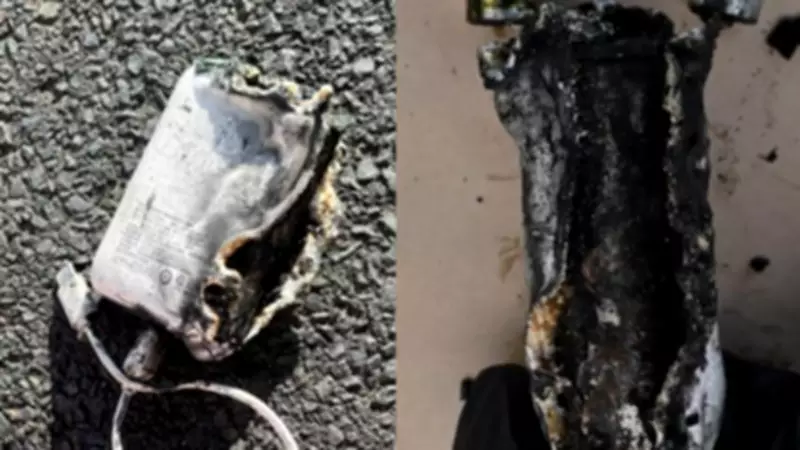
In a significant move to enhance air travel safety, the International Civil Aviation Organisation (ICAO) has announced new regulations that will restrict passengers to carrying only two lithium battery-powered power banks and prohibit their use for charging during flights. This decision, effective from March 27, 2026, comes as a response to a rising number of in-flight smoke and fire incidents linked to lithium batteries.
Background and Rationale
The ICAO, a United Nations body responsible for setting aviation standards across its 193 member countries, issued these specifications on Monday. The rules are designed to address growing concerns among passengers and airlines about the risks associated with power banks. Previously, many airlines had already implemented restrictions, such as requiring passengers to keep power banks in sight rather than storing them in overhead lockers, but the new ICAO guidelines standardize these measures globally.
Key provisions of the new rules include:

- Passengers are limited to a maximum of two power banks per person.
- Using power banks to charge devices while in flight is strictly prohibited.
- Airline crew are exempt and may continue to carry and use power banks as needed for operational purposes.
Recent Incidents Prompting Action
The urgency of these regulations is underscored by several high-profile incidents in recent years. For example, in July 2025, a Virgin Australia Boeing 737 flight experienced a fire in an overhead locker on approach to Hobart Airport due to a passenger's power bank undergoing thermal runaway. The crew issued a PAN PAN urgency call, and the aircraft landed safely after the fire was extinguished by cabin crew.
Similarly, in October 2025, an Air China Airbus A321 had to divert to Shanghai Pudong Airport during a flight from Hangzhou to Seoul after a lithium battery failure caused a fire in a passenger's carry-on luggage stored in an overhead locker. These events, among others, have highlighted the potential dangers of lithium batteries in aviation settings.
Global and Regional Responses
Aviation authorities and airlines in the Asia-Pacific region were among the first to implement restrictions last year, following a fire onboard an Air Busan aircraft at Gimhae International Airport in South Korea, which was caused by a power bank in an overhead bin. This proactive approach has now been formalized by the ICAO's global standards.
In the United States, the Federal Aviation Administration (FAA) maintains a detailed record of lithium battery incidents. From March 3, 2006, to February 13, 2026, there have been 555 verified incidents. This year alone, through February 13, the FAA reports two verified incidents and six pending verification involving U.S. carriers or international flights in U.S. airspace or airports.
Implications for Passengers and Airlines
The new ICAO rules are expected to streamline safety protocols and reduce the risk of in-flight emergencies. Passengers will need to plan their travel accordingly, ensuring they do not exceed the two-power-bank limit and refrain from using them during flights. Airlines will be responsible for enforcing these regulations, which may involve updated check-in procedures and in-flight announcements.
These measures reflect a broader trend in aviation towards stricter safety standards, particularly as technology evolves and the use of portable electronic devices becomes more widespread. By addressing the specific risks posed by lithium batteries, the ICAO aims to foster a safer flying environment for all.