Flying Taxis Set for Takeoff: Brisbane Emerges as Key Australian Hub
Once a staple of science fiction, flying taxis are now on the verge of becoming a tangible reality, with their commercial debut anticipated within the coming months. Australia has been identified as a leading candidate to host these innovative aerial vehicles, with Brisbane specifically in the sights of industry pioneers.
Global Launch Plans and Australian Prospects
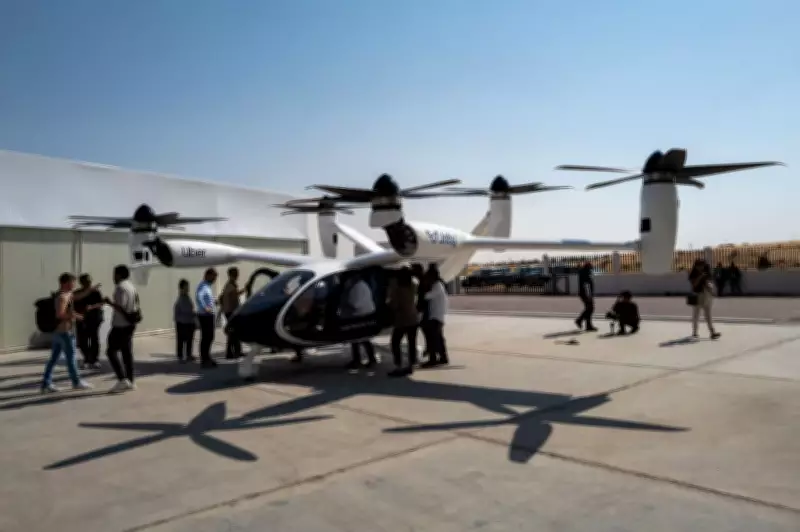
Uber, in collaboration with Joby Aviation, is spearheading the rollout of electric air taxis, aiming to commence operations in Dubai later in 2026. This strategic move marks a significant step toward integrating flying taxis into urban transportation networks worldwide. Australia's robust infrastructure and forward-thinking regulatory environment position it as an attractive market for similar deployments.
Brisbane, with its growing population and commitment to sustainable transport solutions, is being closely monitored as a potential hub for these services. The city's geographic layout and existing aviation facilities could facilitate seamless integration of air taxi routes, reducing congestion and offering faster travel options for residents and visitors alike.

Technological Advancements and Market Readiness
The development of electric air taxis by companies like Joby Aviation represents a major leap in aviation technology. These vehicles are designed to be quiet, emission-free, and capable of vertical takeoff and landing, making them ideal for urban environments. Industry experts highlight that the technology has matured rapidly, moving from conceptual designs to flight-ready prototypes in recent years.
Market analysts predict that the initial launch in Dubai will serve as a critical test case, with successful operations likely to accelerate adoption in other regions, including Australia. The potential economic benefits, such as job creation in manufacturing and maintenance, along with enhanced mobility, are driving interest from both public and private sectors.
Regulatory and Infrastructure Considerations
For flying taxis to become a mainstream reality, significant regulatory frameworks must be established to ensure safety and efficiency. Australian authorities are already engaging with industry stakeholders to develop guidelines that address air traffic management, noise pollution, and public acceptance. Brisbane's proactive approach to smart city initiatives could give it an edge in navigating these challenges.
Infrastructure investments, such as vertiports for takeoff and landing, will be crucial. Plans are underway to explore suitable locations in Brisbane, with a focus on accessibility and minimal disruption to existing urban landscapes. Public consultations and pilot programs may be introduced to build community support and gather data on operational feasibility.
As the world watches the debut of flying taxis in Dubai, all eyes are on Australia, particularly Brisbane, to see how it will embrace this transformative mode of transport. The coming months could mark the beginning of a new era in urban mobility, blending futuristic vision with practical innovation.