In a startling event that highlights the hidden vulnerabilities of modern aviation, more than 6000 Airbus aircraft worldwide were grounded for urgent software updates. The culprit, according to the manufacturer's investigation, was an unexpected source: cosmic radiation from outer space.
The Cosmic Trigger for Global Disruption
The incident began when a single Airbus A320 aircraft experienced a sudden and alarming drop in altitude during a flight. Initial findings point to a highly unusual cause. Tiny, high-energy particles from space, known as cosmic radiation, are believed to have bombarded the Earth and penetrated the aircraft's systems.
This radiation reportedly corrupted data in one of the plane's critical flight control computers, specifically a unit responsible for managing moving parts on the wings. In an official statement, Airbus confirmed, "Analysis of a recent event involving an A320 Family aircraft has revealed that intense solar radiation may corrupt data critical to the functioning of flight controls."

Widespread Groundings and Passenger Chaos
The discovery prompted immediate and sweeping action. To prevent any potential recurrence across its fleet, Airbus mandated a worldwide software update for its A320 family of aircraft. This led to the grounding of thousands of planes, causing a cascade of flight cancellations and delays globally.
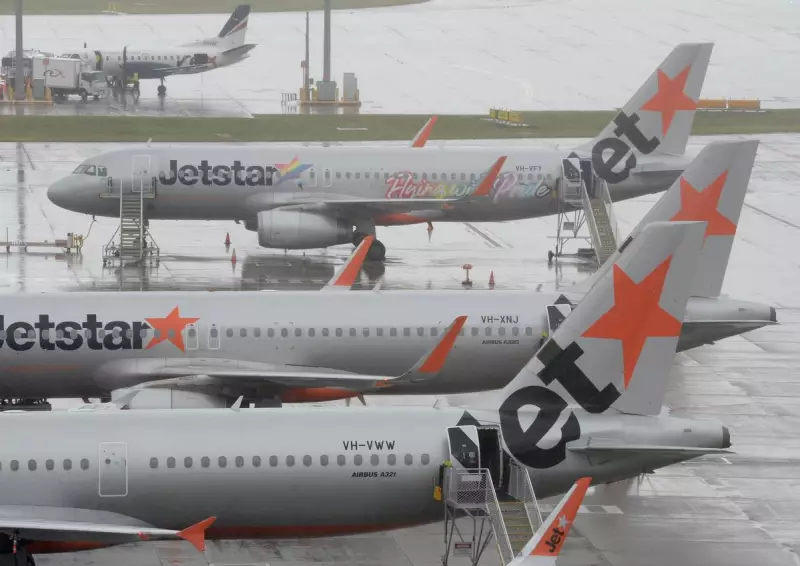
The impact was felt keenly in Australia, with scenes of disruption at major hubs. At Melbourne Airport, A320 aircraft were seen stranded on the tarmac as airlines scrambled to adjust their schedules. Inside Terminal 4, long queues of frustrated passengers formed, seeking information and alternative travel arrangements after their flights were abruptly cancelled.
Aviation Safety and Future Flights
While the event underscores a rare but serious challenge for aviation electronics, the swift response highlights the industry's safety-first protocols. The software patch is designed to shield the flight control computers from similar cosmic ray events in the future.
Amidst this news, several airlines have announced positive updates for West Australian travellers, demonstrating the resilience and growth of the sector:
- Jetstar is launching a new route, connecting Perth and Manila three times weekly with its Airbus A321LR aircraft.
- Malaysia Airlines has doubled its daily service frequency between Perth and Kuala Lumpur.
- All Nippon Airways will operate daily flights from Perth to Tokyo until at least April 19, 2026.
- Cathay Pacific has also increased its capacity, now offering double daily flights on the Perth to Hong Kong route.
The incident serves as a reminder of the complex interplay between advanced technology and the natural environment, even at 35,000 feet.