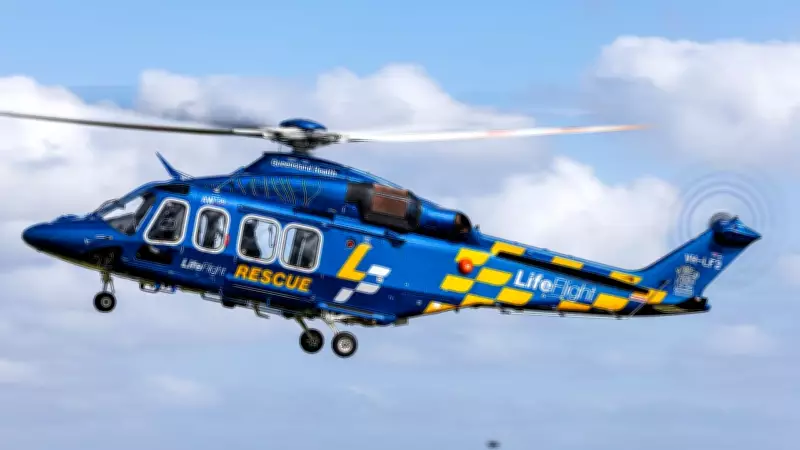
Cloncurry Hospital Landing Pad Deemed Inadequate for Lifeflight's AW139 Helicopter
A significant safety concern has been identified in remote Queensland, where the landing pad at Cloncurry Hospital is reportedly too small to accommodate Lifeflight's AW139 helicopter. This issue could severely impact emergency medical evacuations, posing a risk to patients in critical need of urgent care.
Safety Risks and Operational Challenges
The AW139 helicopter, a key asset in Lifeflight's fleet, requires a larger landing area than what is currently available at the hospital. This mismatch creates operational hurdles that may delay life-saving missions, especially in time-sensitive emergencies where every minute counts. The situation highlights broader infrastructure gaps in rural healthcare facilities across Australia.
Implications for Remote Communities
Cloncurry, located in a remote region, relies heavily on aeromedical services for patient transfers to larger medical centers. With the landing pad being undersized, alternative arrangements might be necessary, such as using nearby fields or other makeshift sites, which could compromise safety and efficiency. This development underscores the need for upgraded infrastructure to support modern medical evacuation technologies.

Response and Future Considerations
Authorities are urged to address this issue promptly to ensure seamless emergency responses. Potential solutions include expanding the existing pad or constructing a new one that meets the specifications for larger helicopters like the AW139. Investing in such upgrades is crucial for enhancing healthcare accessibility and safety in isolated areas, aligning with national efforts to improve rural medical services.