Gulf Carriers Set to Slash Airfares in Wake of Iran Conflict
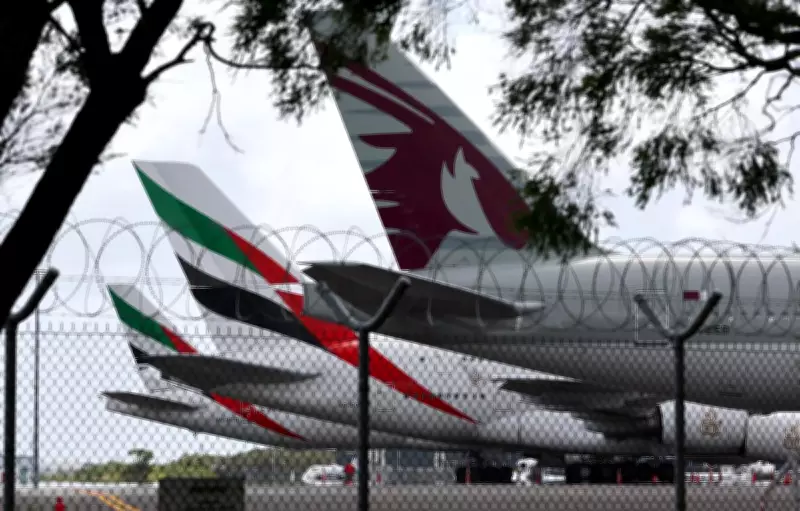
In a significant development for the aviation industry, travellers are poised to benefit from cheaper airfares offered by Gulf carriers, including Emirates and Etihad, following the recent conflict involving Iran. This move comes as airlines strategically adjust their operations to navigate geopolitical disruptions and stimulate passenger demand in a volatile market.
Impact of Geopolitical Tensions on Airline Pricing
The conflict in Iran has led to major shifts in global flight routes, with many carriers rerouting to avoid affected airspace. This has resulted in increased operational costs and logistical challenges for airlines worldwide. However, Gulf carriers, known for their robust networks and competitive pricing strategies, are leveraging this situation to attract more customers by reducing fares.
Emirates and Etihad, two of the leading airlines based in the United Arab Emirates, are at the forefront of this initiative. By offering discounted tickets, they aim to offset the initial dip in travel demand caused by the conflict and capitalize on the eventual recovery of the tourism and business travel sectors.

Strategic Adjustments by Airlines
In response to the Iran war, airlines have implemented several key adjustments:
- Route Optimization: Carriers are optimizing flight paths to minimize disruptions and maintain efficiency, which helps in controlling costs that can be passed on as savings to travellers.
- Capacity Management: Increased capacity on alternative routes allows airlines to offer more seats at lower prices, making air travel more accessible.
- Promotional Campaigns: Aggressive marketing and promotional offers are being rolled out to entice passengers, with a focus on budget-conscious travellers and those planning post-conflict trips.
These measures are designed not only to mitigate the immediate impacts of the conflict but also to position Gulf carriers for long-term growth in a competitive global market.
Benefits for Travellers and the Broader Economy
The reduction in airfares is expected to have a positive ripple effect across various sectors. For travellers, it means more affordable options for international travel, whether for leisure, business, or visiting family and friends. This could lead to a boost in tourism, benefiting destinations that rely on air connectivity.
Moreover, the aviation industry itself stands to gain from increased passenger volumes, which can help airlines recover from the financial strains induced by the conflict. As demand picks up, it may also spur job creation and economic activity in related fields such as hospitality and retail.
Future Outlook for Air Travel
While the immediate focus is on cheap fares, industry analysts predict that this trend could continue in the medium term as airlines strive to rebuild confidence among travellers. The adaptability of Gulf carriers in responding to geopolitical events highlights their resilience and commitment to customer satisfaction.
In conclusion, the Iran conflict has inadvertently created an opportunity for travellers to access cheaper flights from Gulf carriers like Emirates and Etihad. By staying informed and flexible, passengers can take advantage of these reduced fares to plan their journeys more economically, contributing to a gradual recovery in global air travel.