Aircraft Accessibility Innovations Advance, But Certification Delays Persist
Momentum is building in the aerospace accessibility sector, with numerous developments underway to enhance air travel for passengers with reduced mobility, vision, and hearing impairments. Solutions that enable the viable use of passenger wheelchairs onboard and ensure safe, dignified carriage have progressed beyond the concept stage, with many products currently in development. However, the pace of certification required for airlines to implement these innovations remains painfully slow, creating significant barriers to widespread adoption.
Key Innovations in Accessibility
Several groundbreaking products are set to be showcased at the upcoming Aircraft Interiors Expo (AIX) in Hamburg, Germany, this April. These include:
- J&C Aero’s Jump Seat Duo: A convertible jump seat that can be quickly transformed from a cabin attendant seat into an onboard wheelchair for passengers in need. After over three years of development, it is in the final stage of European certification, with a potential launch later this year.
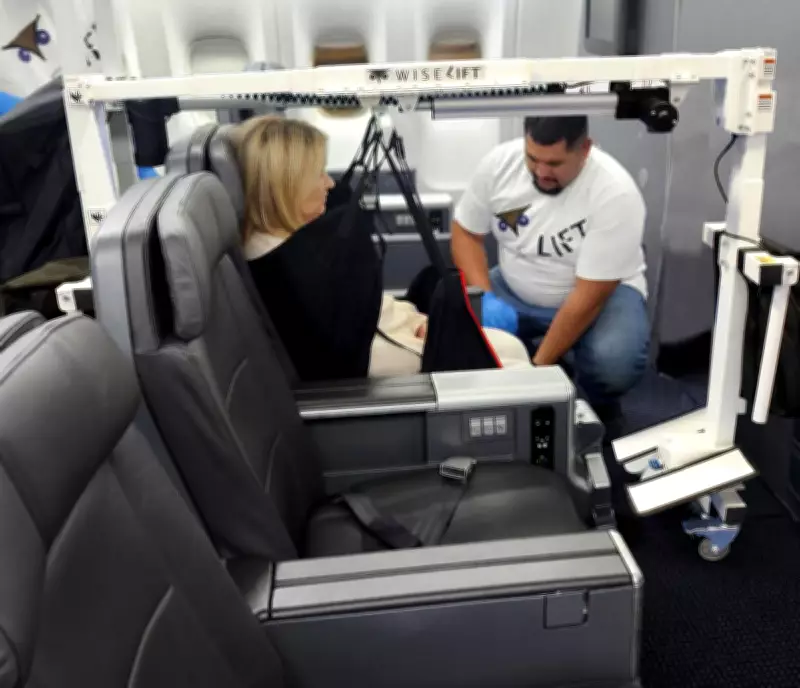
- Letronics’ Wiselift AnySeat: A power lift solution based at airports, allowing passengers with reduced mobility to be transferred safely and comfortably into any aircraft seat without requiring lengthy aircraft modifications or certification programs. The sling remains under the passenger throughout the flight, enhancing safety and dignity.
- AeroSlide Transfer System: Developed by Mobility Assist, this system eliminates manual lifting by using a seamless mechanical glide to slide passengers into seats, protecting both staff and passenger dignity. An optimised prototype aims for launch in Asia within two to three years.
- Collins Aerospace’s Prime Solution: Enables passengers to remain in their powered wheelchairs throughout the journey, with features like tray tables, reading lights, and power outlets. Collins is also showcasing an enhanced accessible toilet concept at AIX.
- Airbus’s Airspace U (Universal) Suite: A concept allowing reduced-mobility passengers to travel in their own wheelchairs with a robust restraint system, also catering to those with visual, hearing, or cognitive impairments.
Certification Challenges and Industry Response
Despite these advancements, certification processes are lagging, as highlighted by the Air4All/Delta Flight Products solution, which has been in development since 2019. Aviation accessibility consultant Christopher Wood notes that while aircraft manufacturers and airlines are ready to deploy it, certification remains a slow-moving goal, likening it to watching tectonic plates shift. With over a billion people worldwide facing mobility challenges, and this number increasing, the urgency for progress is critical.

Accessibility for Vision and Hearing Impairments
Developments also focus on passengers with hearing and vision disabilities, with solutions facing a relatively easier certification path. Key innovations include:

- Diehl’s Adaptive User Routing System: Features an accessible toilet layout with a smart digital layer, providing intuitive multi-sensory guidance for blind and deaf passengers. It includes high-contrast surfaces, tactile guidance, braille, and visual safety announcements, potentially onboard within two years.
- Schneller’s Embedded Markings: Incorporates braille, tactile text, and raised pictograms directly into certified aircraft laminates to guide passengers with vision disabilities around the cabin, with near-term introduction anticipated.
- Safran Passenger Innovations’ Transcription Solution: Transcribes cabin speaker PA announcements to text in real time on seatback entertainment systems, with translations into the passenger’s selected language.
Future Outlook and Industry Impact
The aerospace industry is poised for significant improvements in accessibility, driven by these innovations. However, the slow certification pace underscores the need for regulatory bodies to accelerate approvals to meet growing demand. As products like Diehl’s Space3 accessible toilet for long-haul aircraft near service entry, collaboration between developers, airlines, and certification authorities will be crucial to ensure timely implementation and enhance the travel experience for all passengers.