Australia's economy grew by 0.3% in the first three months of 2026, a slowdown from the 0.9% growth recorded at the end of 2025, according to the latest Australian Bureau of Statistics figures. Over the year to March, gross domestic product (GDP) rose 2.5%. However, GDP per person—total GDP divided by population—actually fell by 0.1% in the quarter. This indicates that Australians were not necessarily feeling better off, despite the overall economic growth.
The weaker-than-expected growth result is likely to reinforce the likelihood of the Reserve Bank leaving interest rates unchanged at its June meeting, after lifting rates in February, March, and May. While inflation remains a concern, today's figures suggest those rate rises were already beginning to weigh on household spending and economic activity.
Higher Fuel Prices Take a Toll
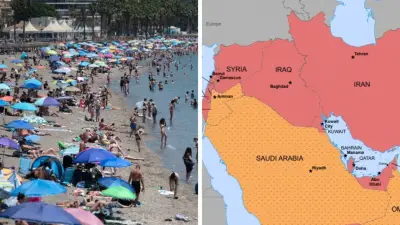
The Middle East war, which began on February 28, had a clear effect on Australia's economy through higher fuel and fertiliser prices. The Australian Bureau of Statistics (ABS) noted that automotive fuel prices rose sharply towards the end of the March quarter. The federal government's fuel discounts only started on April 1.

Households responded by spending more on essentials and cutting back elsewhere. Discretionary spending was very weak, suggesting many consumers were becoming more cautious. Spending on electricity, gas, and other fuels also rose sharply after energy rebates ended, while spending on operating vehicles increased amid concerns about petrol and diesel supplies.
Which Parts of the Economy Grew?
The strongest part of the economy was investment. Private investment rose strongly, led by a large jump in machinery and equipment investment. The ABS said this reflected increased business investment in data centres in New South Wales and Victoria. That investment boom highlights one important theme: businesses are continuing to invest heavily in digital infrastructure and artificial intelligence, despite a challenging economic environment.
The GDP figures suggest Australia's economy is becoming increasingly split in two. Sectors linked to data centres, engineering services, IT consulting, and construction are expanding rapidly, while many consumer-facing industries remain under pressure.
Household consumption also grew, but the increase was concentrated in essentials rather than discretionary spending. That is not a sign of strong consumer confidence. It suggests households were spending more because some necessary items became more expensive, or they may have been worried about supply chain shortages.
Which Parts of the Economy Shrank?
Net trade was the main drag on growth. Exports fell while imports rose. The fall in exports was driven by coal and iron ore, with bad weather disrupting port operations. Imports rose partly because of record imports of automatic data processing equipment, linked to data centre investment.
Government spending also fell, partly because energy bill relief ended. Mining saw the largest industry decline, with coal production hit by Cyclone Koji. Consumer-facing services were weak. Retail trade, accommodation and food services, and arts and recreation all reflected subdued discretionary spending.
Watching for a Per Person Recession
The key question is whether this is just a temporary slowdown, or the start of a more worrying loss of momentum. The economy is still growing, but GDP per person has fallen. This happens when a country's population is growing faster than its economy. And that matters because GDP per person is a better guide to living standards than headline GDP.
Households are also saving less, which suggests many are absorbing higher costs by dipping into their savings. If GDP per person falls again in the June quarter, Australia would enter a per capita recession. That would not mean the whole economy is in recession, but it would mean the average Australian is going backwards. The June quarter will therefore be important to watch. It will show more clearly how households are responding to higher fuel prices, higher interest rates, and weaker confidence.

What Does It Mean for Interest Rates?
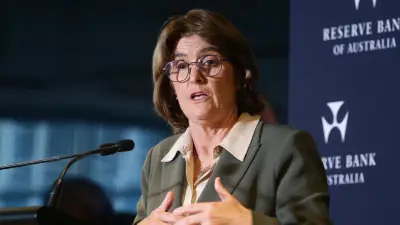
The Reserve Bank board meets on June 15–16. Growth has slowed, GDP per person has fallen, and discretionary spending is weak. These are all signs that higher interest rates are already weighing on households and the broader economy.
At the same time, the Reserve Bank cannot ignore inflation risks. Fuel prices rose sharply late in the quarter, construction prices are still rising, and the end of energy rebates has lifted household out-of-pocket costs. The Reserve Bank's own forecasts suggest headline inflation is likely to peak in the June quarter.
Just after the Reserve Bank published those forecasts, Treasury released its own as part of the May federal budget. Treasury expected inflation to peak at around 5%. If the Middle East conflict ends soon, it expects inflation to fall back within the Reserve Bank's 2–3% target band by this time next year. But if the war goes on longer, it could climb much higher.
This week's wage rise for low-paid workers, as well as the latest inflation data and unemployment figures, will all be part of the board's discussion. That is why each interest rate decision is so difficult. As Reserve Bank board member Ian Harper acknowledged this week, it's always harder to sleep the night before the board makes a rate decision: "Maybe not a sleepless night… but you have to make a decision which, as you well know, affects every single person in this economy. And that bears on you in the middle of the night, usually about 2.30 in my case."
On balance, this GDP data strengthens the case for the Reserve Bank to hold rates in June and wait for more evidence, before deciding whether another increase is needed in August. The Reserve Bank's challenge is now even harder: bringing inflation back under control, without pushing an already slowing economy into a deeper downturn.