The Australian government is facing calls to lower its travel warning for Australians transiting through major Middle Eastern airports ahead of the European summer, with a leading industry expert stating that Australia is "far behind the rest of the world."
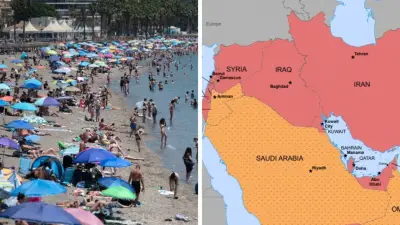
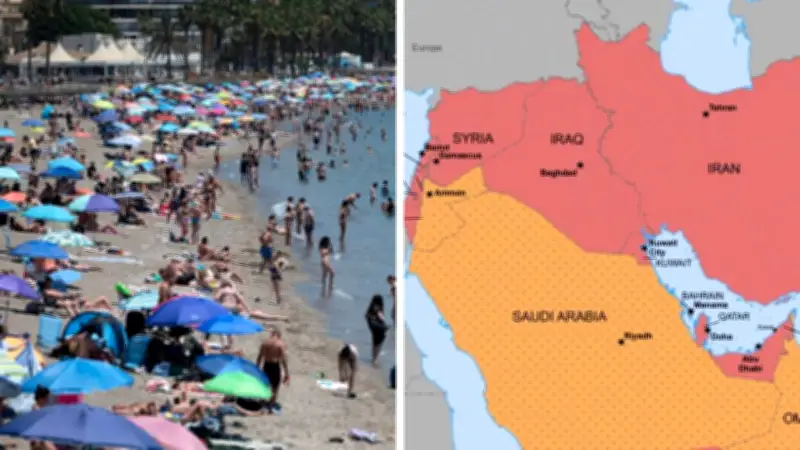
The ongoing conflict in the Middle East has led the Department of Foreign Affairs to issue Level 4 'do not travel' warnings for much of the region, including Abu Dhabi in the United Arab Emirates (UAE) and Doha in Qatar. These cities are popular stopover hubs for Australians flying to Europe.
Most standard travel insurance policies do not cover Level 4 destinations, meaning Australians who ignore the warnings and travel via these key hubs risk their insurance becoming invalid. The government's Smartraveller website states: "'Do not travel' advice applies to transit and layovers in the UAE. Even if you don't plan to leave the airport. If you travel to or transit through the UAE, you may be unable to leave. Your safety will be at risk."

With more than 100,000 Australians expected to travel to Europe in the coming months, the Australian Travel Industry Association (ATIA) has called on the government to reduce the advice to Level 3 'reconsider your need to travel' for Middle Eastern airports only. This change would restore insurance protection for travellers in transit.
"We're not calling for the whole country to go down to a level three. We are just saying that the airport can go to a level three, which will give people that full travel insurance protection that they need while they're in transit," ATIA chief executive Dean Long told news.com.au. "The government has got to make the decision to recognise the realities of the transit passenger is different to those people looking to stay in the UAE for a long period of time."
Mr Long noted that flights between Australia and the Middle East have dropped from 153 per week before the war to 90 per week, with over 153,000 Australians transiting through the Middle East in the past six weeks. "A lot of people were risking the fact that some policies won't provide cover for them while they're in the Middle East," he said.
"Dropping to a level 3 for airports would mean if you roll your ankle when you get off the plane, or you get appendicitis, or any of those accidents which can happen, those true emergencies that are not a result of the conflict and not a result of people looking to take excessive risk ... then it will just give those people the little bit of help that they need."
Mr Long said the move would bring Australia in line with other major countries such as Germany, France and the United Kingdom. "We've reached this point unfortunately, where we are so far behind the rest of the world," he said. "Most other countries are at a 'reconsider your need to travel' not a 'do not travel'. And that's a real recognition of the important role that the UAE and Qatar in particular, have as major transit hubs. And it's a demonstration of where those countries are viewing the conflict and looking at what the real risk is for 90 minutes on the ground versus a five day holiday."
He warned that maintaining the Level 4 warning could undermine trust in the Smartraveller system. "At the moment, we've got all of these Australians travelling back to Australia and telling their friends and family that they had no issues in transiting through the UAE or through Qatar. And all that's going to do in the end is make people less trusting of the Smartraveller system, and we don't want that. We want people to listen to Smartraveller, we want them to follow the advice."
When asked about the call to lower the travel warnings, a Department of Foreign Affairs and Trade spokesperson told news.com.au "the safety of Australians is our highest priority."
"The situation in the Middle East region remains volatile and there remains a risk of attacks and escalation which is why we continue to advise all Australians not to travel to Bahrain, Iran, Israel, Kuwait, Lebanon, Qatar and the United Arab Emirates."