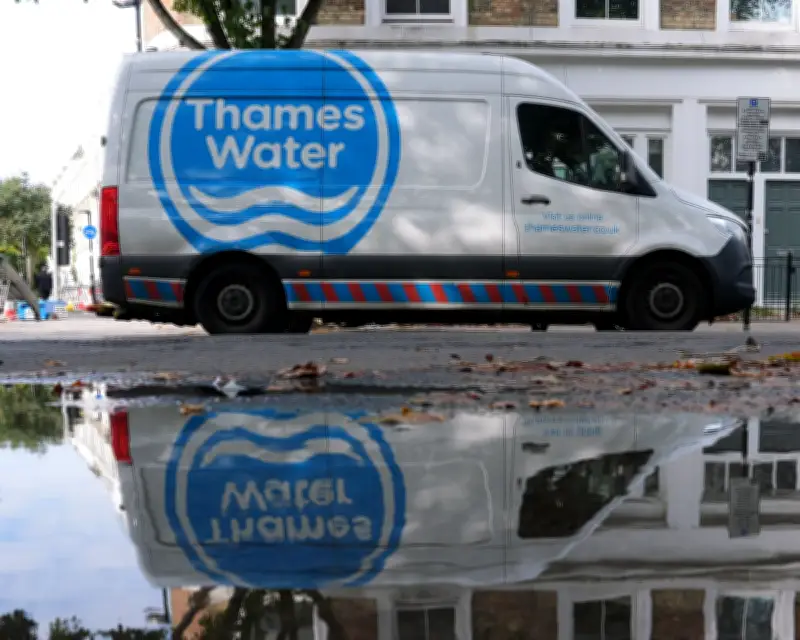
The water regulator Ofwat has given the green light to a rescue deal that will effectively nationalise Thames Water, the UK's largest water utility. The move comes after months of financial turmoil for the company, which serves around 15 million customers in London and the Thames Valley.
Details of the Rescue Deal
Under the terms of the deal, the government will take temporary control of Thames Water through a special administration regime. This will involve writing off billions of pounds of debt and injecting fresh capital to ensure the company can continue to operate and invest in infrastructure. Ofwat stated that the intervention was necessary to protect customers and the environment from the risk of the company's collapse.
Reasons for Nationalisation
Thames Water has been struggling with a massive debt pile of over £15 billion, coupled with poor performance on leakage and sewage spills. The company had been seeking additional investment from shareholders but failed to secure the necessary funds. Ofwat concluded that without government intervention, the company would have been unable to meet its legal obligations.

- Debt write-off of approximately £10 billion
- Government to provide up to £3 billion in new funding
- Company to be run by a special administrator appointed by the government
- Focus on improving infrastructure and reducing pollution
Reactions and Implications
The deal has been met with mixed reactions. Consumer groups have welcomed the move, arguing that it protects customers from price hikes and service disruptions. However, some investors and free-market advocates have criticised the nationalisation, warning that it could set a precedent for other struggling utilities. The government has emphasised that the nationalisation is temporary and that the company will eventually be returned to private ownership once it is financially stable.
What Happens Next
The special administrator will take control of Thames Water in the coming weeks. The government has pledged to ensure that water bills will not rise as a result of the nationalisation and that investment in the network will increase. Ofwat will continue to monitor the company's performance closely.
This rescue deal marks one of the largest government interventions in a private company since the financial crisis of 2008. It highlights the challenges facing the UK's water industry, which has been criticised for underinvestment and high levels of debt.