Seafood Industry Grounded as Algal Bloom Recovery Projected to Take a Decade
Despite recent indications that South Australia's harmful algal bloom has begun to settle, the state's seafood industry continues to face severe operational challenges. More than one hundred fishing operators remain grounded, unable to resume their normal activities due to the lingering effects of the environmental crisis.
Industry Leaders Warn of Prolonged Recovery Period
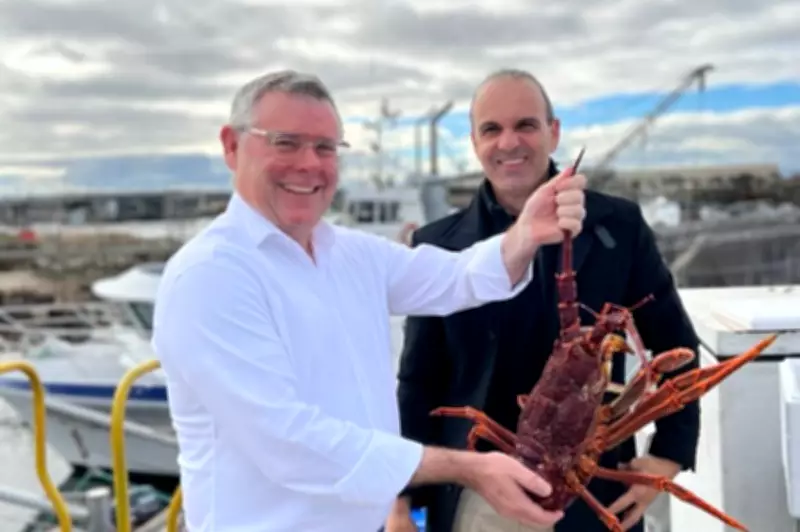
Kyri Toumazos, the executive director of Seafood Industry South Australia, has delivered a sobering assessment of the situation. According to Toumazos, the sector will require at least a decade to fully recover from the devastating impact of the harmful algal bloom. This timeline underscores the profound and lasting consequences of the environmental event on marine ecosystems and the businesses that depend on them.
The algal bloom, which emerged as a significant threat to marine life and water quality, has disrupted fishing operations across the region. While the bloom itself may be subsiding, the residual effects continue to hinder the industry's ability to return to normalcy. Operators are grappling with not only immediate losses but also long-term uncertainties regarding stock recovery and market stability.

Federal and Industry Collaboration in Focus
In response to the crisis, there has been notable collaboration between industry representatives and federal authorities. Federal Environment Minister Murray Watt has been actively engaged with stakeholders, including Kyri Toumazos, to address the challenges facing the seafood sector. This partnership aims to develop strategies for environmental monitoring, recovery efforts, and support for affected businesses.
The involvement of federal figures highlights the broader implications of the algal bloom, which extends beyond local fisheries to touch on national environmental and economic concerns. As the industry navigates this difficult period, the focus remains on implementing measures that can facilitate a sustainable recovery while preventing future occurrences.
Looking Ahead: Challenges and Opportunities
As South Australia's seafood industry confronts this extended recovery timeline, several key challenges and opportunities emerge:
- Environmental Monitoring: Enhanced surveillance of water quality and algal activity is crucial to prevent future blooms and protect marine habitats.
- Economic Support: Financial assistance and policy interventions may be necessary to sustain fishing operators during the prolonged recovery phase.
- Research and Innovation: Investing in scientific research can help understand algal bloom dynamics and develop mitigation strategies.
- Community Resilience: Building stronger community networks within the industry can foster collaboration and shared resources during crises.
The road to recovery will be long and arduous, but with coordinated efforts from industry leaders, government officials, and environmental experts, there is hope for rebuilding a resilient and thriving seafood sector in South Australia.