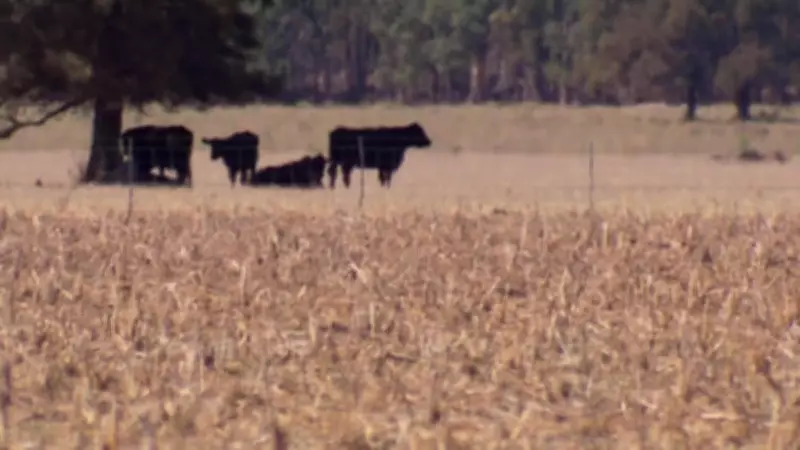
Over Half of New South Wales on Drought Alert as Severe El Nino Threat Looms
More than half of New South Wales is now officially on drought alert, with meteorological experts all but confirming the arrival of a hot and dry El Nino weather pattern later this year. This looming climatic event threatens to bring some of the most severe drought conditions Australia has witnessed in recent decades, prompting widespread concern among agricultural communities across the state.
Farmers Forced into Early Stock Sales Amid Deteriorating Conditions
The impending threat has compelled farmers throughout New South Wales to make difficult and often premature decisions regarding their livestock. Many are opting to sell stock much earlier than originally planned as soil moisture levels continue to plummet and the costs of feed escalate dramatically. In the northwest region near Narrabri, sheep farmers Andrew and Dave are preparing for stock sales well ahead of their typical schedule, reflecting a broader trend of proactive measures.
Dave Sealy, one of the affected farmers, highlighted the severity of the situation, stating, "Everything's blowing out of the water and the bottom line is a lot of people have been shifting stock off. Our stock numbers are going to be at the lowest numbers for sheep and the lowest numbers for cattle for a long, long time." This sentiment is echoed across the state, where agricultural experts note that the absence of soil moisture is already significantly influencing farming decisions.

Record Yardings and Soaring Costs Compound Agricultural Challenges
The growing concerns have led to record yardings at livestock sales, with farmers capitalising on current market conditions while they still can. At Armidale, recent livestock sales have mirrored the widespread anxiety permeating the agricultural sector. Cattle farmer David Fenwicke remarked, "There'll be no real storms. Everybody's sort of facing the same issue with feed and water," underscoring the uniform challenges faced by producers.
Compounding the drought conditions are soaring operational costs, particularly driven by high diesel prices that increase the expense of transporting feed. Additionally, an ongoing fertiliser shortage further strains resources, leading many wheat farmers to reconsider their planting strategies for the upcoming season. Xavier Martin of the NSW Farmers Association explained, "Risk averse and say, well look, maybe this isn't the year to be producing that crop," indicating a shift towards more conservative agricultural practices in response to the uncertain climate outlook.
El Nino Forecast to Bring Profound and Severe Drought Impacts
While recent years have been characterised by predominantly wet conditions, the sudden shift towards drought fears has caught some by surprise. However, forecasters warn that this change could be drastic and long-lasting. A drier El Nino weather pattern is predicted to emerge later this year, potentially in a supersized form that could reorganise atmospheric conditions profoundly. Professor Matthew England from UNSW cautioned, "It reorganises our atmosphere in a very profound way and gives us some of the worst droughts in Australia," highlighting the potential for extreme and widespread agricultural disruption.
The combination of drought alerts, economic pressures, and climatic predictions paints a challenging picture for New South Wales' agricultural sector, urging stakeholders to prepare for potentially severe conditions ahead.