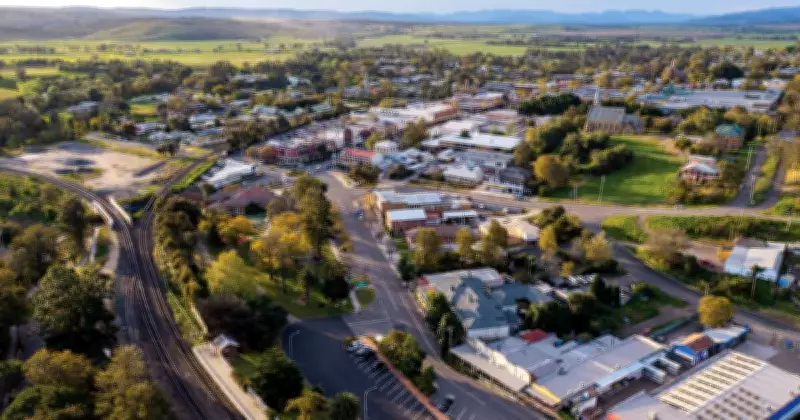
Muswellbrook's Post-Coal Future Relies on Amenity Restoration
As the coal mining industry in Muswellbrook, New South Wales, faces a gradual decline, the local community is turning its attention to a critical strategy for economic survival: restoring and enhancing local amenities. This shift is seen as essential to attract new residents, businesses, and investments, ensuring the town does not fall into economic stagnation.
The Decline of Coal Mining and Its Impact
For decades, coal mining has been the backbone of Muswellbrook's economy, providing jobs and driving growth. However, with global trends moving towards renewable energy and reduced carbon emissions, the demand for coal is waning. This transition poses significant challenges, including potential job losses and a decrease in local revenue. Experts warn that without proactive measures, the town could experience a sharp economic downturn, similar to other mining-dependent regions in Australia.
Focus on Amenity Restoration for a Brighter Future
To combat these challenges, local leaders and community groups are advocating for a renewed focus on amenity restoration. This includes:

- Improving public spaces: Upgrading parks, playgrounds, and recreational facilities to make the town more livable and attractive.
- Enhancing infrastructure: Investing in better roads, public transport, and utilities to support new businesses and residents.
- Promoting cultural and social hubs: Developing community centers, art galleries, and event venues to foster a vibrant local culture.
By prioritizing these amenities, Muswellbrook aims to create an environment that appeals to families, young professionals, and entrepreneurs looking for a high quality of life outside major cities.
Economic Diversification and Sustainable Development
Restoring amenities is not just about aesthetics; it is a strategic move towards economic diversification. Local officials are exploring opportunities in sectors such as tourism, agriculture, and small-scale manufacturing. For instance, the region's natural beauty and proximity to the Hunter Valley wine region offer potential for eco-tourism and hospitality ventures. Additionally, investing in sustainable practices, like renewable energy projects, could position Muswellbrook as a leader in green innovation.
Community engagement has been key in this process, with residents participating in forums and surveys to voice their priorities. This collaborative approach ensures that the restoration efforts align with the needs and aspirations of the people who call Muswellbrook home.
Challenges and the Path Forward
Despite the optimism, challenges remain. Funding for large-scale projects is limited, and there is uncertainty about the pace of the coal industry's decline. However, state and federal government support, through grants and policy initiatives, could play a crucial role. Experts emphasize that a phased approach, starting with smaller, achievable projects, can build momentum and demonstrate progress to stakeholders.
In conclusion, Muswellbrook's post-coal future is not predetermined by the decline of mining. By focusing on amenity restoration and embracing sustainable development, the town has the potential to thrive in a new economic era. The journey will require resilience and innovation, but with community-driven efforts, Muswellbrook can transform into a model for other regions facing similar transitions.