Townsville Fuel Shortage Puts Food Supply Chain at Risk of Collapse
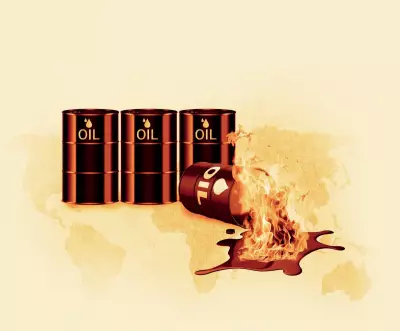
A crippling fuel crisis in Townsville is threatening to trigger a mass cattle cull, as the region's food supply chain teeters on the edge of collapse. The severe shortage of diesel and petrol has brought transport operations to a near standstill, leaving farmers and distributors struggling to move essential goods.
Immediate Impact on Agriculture and Livestock
The fuel scarcity is hitting the agricultural sector particularly hard, with cattle producers warning that they may be forced to cull herds if the situation does not improve rapidly. Without adequate fuel, trucks cannot transport livestock to markets or processing facilities, leading to overcrowding and welfare concerns on farms.
This crisis is exacerbating existing pressures in the supply chain, which has already been strained by recent economic challenges. Local businesses report that deliveries of food and other necessities are being delayed or canceled, raising fears of shortages in supermarkets and other retail outlets.

Broader Economic and Community Consequences
Beyond agriculture, the fuel shortage is disrupting a wide range of industries in Townsville, from manufacturing to retail. The inability to secure reliable transport is causing ripple effects throughout the local economy, with potential job losses and increased costs for consumers.
Community leaders are calling for urgent action to address the fuel supply issues, emphasizing the need for coordinated efforts between government agencies and private sector stakeholders. The situation highlights the vulnerability of regional supply chains to disruptions in critical resources like fuel.
- Farmers face difficult decisions about herd management due to transport constraints.
- Supply chain delays are affecting the availability of essential goods in Townsville.
- The crisis underscores the importance of resilient infrastructure in regional areas.
As the fuel crisis continues, stakeholders are urging for swift interventions to prevent further damage to the local economy and food security. The potential for a mass cattle cull serves as a stark reminder of the interconnectedness of transport, agriculture, and community well-being in regional Australia.