A Far North Queensland farmer's life was turned upside down after a severe bacterial infection, which he attributes to stray cattle on his property, left him fighting for his life in hospital.
A Sudden and Severe Illness
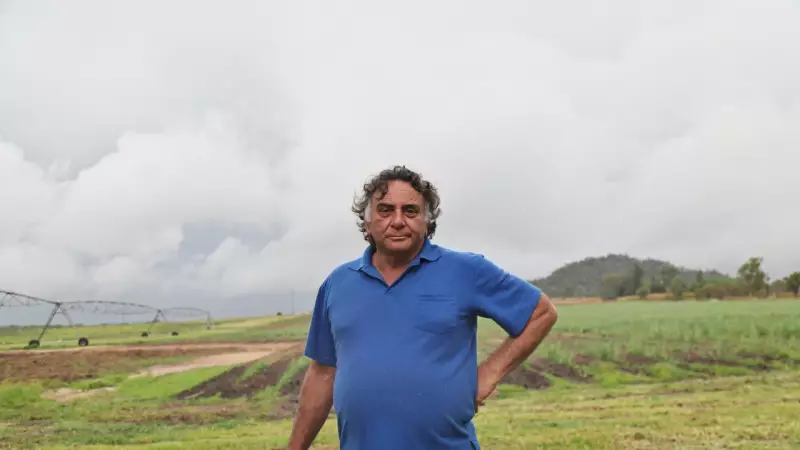
Mareeba local, John 'Blue' Loder, a 63-year-old experienced farmer, fell critically ill in late April 2024. What began with symptoms he initially dismissed as a common cold rapidly escalated into a life-threatening condition. By early May, his situation had deteriorated so severely that he was placed on life support in the Cairns Hospital intensive care unit.
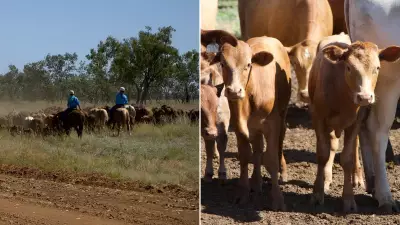
The diagnosis was leptospirosis, a serious bacterial disease often spread through the urine of infected animals. Loder is convinced the source of his infection was wandering cattle that had entered his property from neighbouring land. He reported that these animals had contaminated his water supply and environment, creating the conditions for the bacteria to spread.

The Fight for Recovery and a Call for Accountability
Loder's ordeal involved nine gruelling days in the ICU, followed by a further week in a hospital ward. His recovery is ongoing, and the physical toll has been immense. The incident has sparked significant frustration for Loder and his family, who have long raised concerns about the problem of uncontrolled livestock in the area.
He asserts that the issue of stray cattle is a persistent one, impacting not only farm biosecurity but also posing a direct public health risk to the community. Loder is now calling for more decisive action from local authorities and landowners to manage livestock movement and prevent similar tragedies.
Understanding the Risk of Leptospirosis
Leptospirosis is a zoonotic disease, meaning it can transfer from animals to humans. Infection typically occurs through contact with water, soil, or food contaminated with urine from infected animals, which can include rats, cattle, pigs, and dogs. The bacteria can enter the body through cuts, abrasions, or mucous membranes.
Queensland Health has confirmed the case and routinely investigates leptospirosis notifications to identify potential sources and prevent further spread. The agency emphasises the importance of protective measures for those in high-risk occupations, such as farming. Symptoms can range from mild, flu-like conditions to severe illness involving kidney failure, liver damage, and meningitis, as experienced by Loder.
This harrowing incident near Mareeba serves as a stark reminder of the very real dangers posed by zoonotic diseases and has ignited a local conversation about responsibility, biosecurity, and community health in agricultural regions.