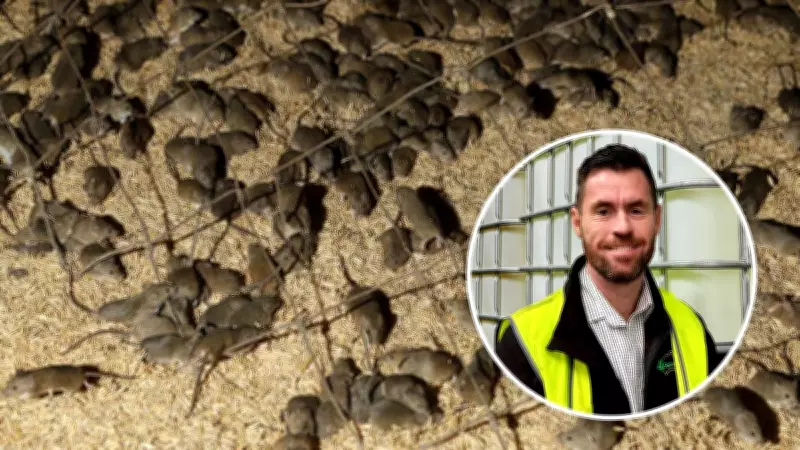
Western Australian Wheatbelt farmers have been granted emergency bait permits to combat a devastating mouse plague that is threatening crops and livestock. The permit, issued by the Department of Primary Industries and Regional Development (DPIRD), allows the use of zinc phosphide bait, which is normally restricted, to control the rodent population.
Severe Mouse Infestation
The mouse plague has reached alarming levels across the Wheatbelt region, with farmers reporting significant damage to stored grain, standing crops, and infrastructure. Mice have been observed in large numbers, causing financial losses estimated in the millions of dollars. The infestation is particularly severe in areas such as Merredin, Kellerberrin, and Bruce Rock.
Impact on Agriculture
Grain growers are facing the brunt of the plague, with mice consuming and contaminating grain supplies. Livestock farmers are also affected, as mice can spread diseases and damage feed. The situation has been exacerbated by favorable conditions for mouse breeding, including a mild winter and abundant food sources.

DPIRD has emphasized that the emergency permit is a temporary measure to help farmers manage the immediate threat. The department is working with industry groups to monitor the situation and provide guidance on integrated pest management strategies.
Farmer Response
Local farmers have expressed relief at the permit approval, noting that the mouse plague has been building over the past year. Many have been forced to use alternative methods, such as trapping and baiting with less effective products, which have proven insufficient. The emergency bait is expected to provide a more effective solution, though farmers are urged to follow strict application guidelines to minimize environmental impact.
Economic Consequences
The mouse plague is expected to cost the Wheatbelt region millions of dollars in lost production and control measures. Grain losses alone could reach tens of thousands of tonnes, with further costs for cleaning and repairs. The economic impact extends to local communities, with reduced income for farmers and businesses that rely on agriculture.
Industry bodies, including the Grain Industry Association of Western Australia, have called for long-term solutions to prevent future plagues. They advocate for better monitoring, early intervention, and support for research into mouse control methods.
Environmental Considerations
The use of zinc phosphide bait raises environmental concerns, particularly regarding non-target species such as birds and native animals. DPIRD has imposed strict conditions on the permit, including bait placement and reporting requirements. Farmers are advised to use bait stations and avoid application near waterways or sensitive habitats.
Environmental groups have expressed caution but acknowledge the severity of the situation. They urge farmers to adopt integrated pest management practices, including biological control and habitat modification, to reduce reliance on chemical baits.
Future Outlook
While the emergency permit offers immediate relief, experts warn that the mouse plague may persist if conditions remain favorable. Farmers are encouraged to continue monitoring and implement preventive measures, such as reducing food sources and harborage. DPIRD will review the permit after three months and adjust strategies as needed.
The situation highlights the vulnerability of Australian agriculture to pest outbreaks, exacerbated by climate variability. Ongoing research and collaboration between government, industry, and researchers are essential to develop sustainable solutions.