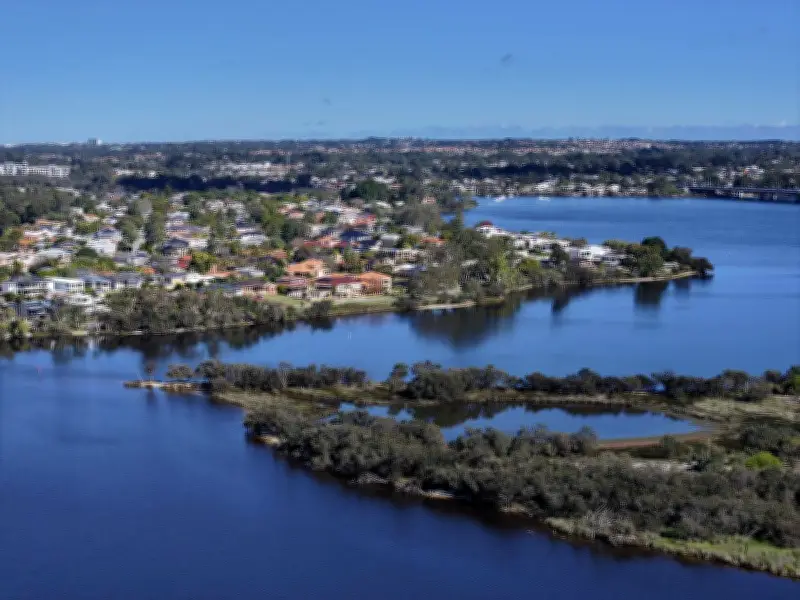
The Department of Biodiversity, Conservation and Attractions (DBCA) has released the Djarlgarro Plan, a 10-year aspirational blueprint to revitalise the Canning, Southern and Wungong rivers, collectively known as Djarlgarro. The plan contains over 130 proposed actions, and public feedback is open until Friday, July 17.
Shared Vision for River Health
The Djarlgarro Plan is a collaborative effort developed by DBCA in partnership with State and local government agencies, environmental groups, and the Whadjuk Aboriginal Corporation. It covers the waterways from the Canning and Wungong dams to Canning Bridge in Applecross, forming the largest freshwater river system in the Perth area. The plan responds to community concerns about the rivers' health and focuses on addressing catchment issues to improve ecological health.
Key Actions and Unfunded Proposals
The plan includes updating water-quality improvement plans, implementing water-sensitive designs in new urban and industrial developments to prevent pollutants entering waterways and wetlands, promoting sustainable tourism and commercial operations, environmental rehabilitation, and educating on sustainable gardening, land management, and development practices. The authors noted, “The Djarlgarro Plan is a 10-year aspirational plan, which contains over 130 actions. Many of these are not funded and will require additional resources to be delivered. Prioritisation and identification of resourcing requirements will occur through the development of implementation plans for the river protection strategy.”

Pollution Monitoring and Oxygenation
The plan also seeks to identify pollution sources, including continued monitoring of disused waste disposal sites such as Bicentennial Adenia Park and Centenary Park to ensure low risk to the Canning waterways and associated wetlands. Artificial oxygenation of the river upstream of the Kent Street Weir is recommended to continue.
Consultation and Aboriginal Partnership
The plan was developed in consultation with the cities of Armadale, Gosnells, Canning, Melville, and South Perth, as well as the South East Regional Centre for Urban Landcare and Armadale Gosnells Landcare Group. Aboriginal people were consulted as part of a vision that sees Whadjuk Noongar people as equal partners in waterway management. The plan will serve as a reference for the new 10-year river protection strategy for Derbal Yirragan Djarlgarro (Swan Canning river system), expected to be released soon.
How to Provide Feedback
Feedback can be submitted via an online form on the DBCA website or by email at rivers.systems@dbca.gov.au until Friday, July 17.