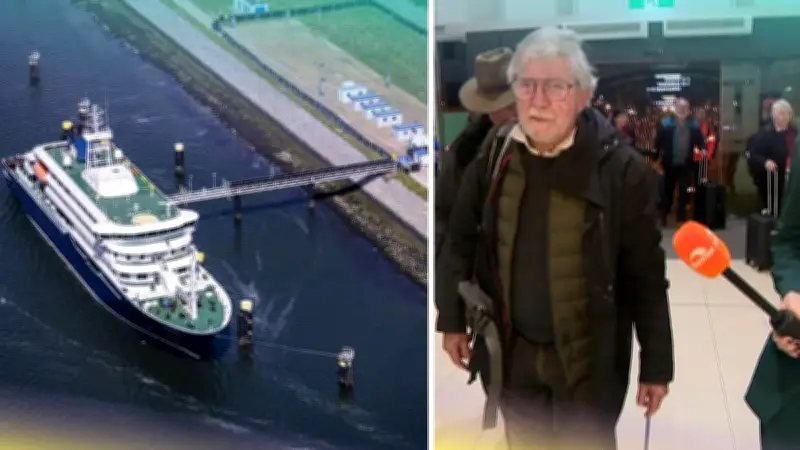
Six passengers who travelled on a cruise ship at the centre of a deadly hantavirus outbreak have been discharged from quarantine after almost six weeks and are now on their way home.
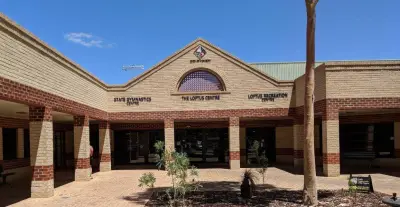
Four Australian citizens, one permanent resident and one New Zealand citizen have been isolating at the $400 million Centre for National Resilience in Bullsbrook, northeast of Perth, since May 15 after they were evacuated from the MV Hondius.
Monitoring and Testing
The travellers have been monitored closely and regularly tested negative for the virus during their time at the centre, which was extended from three weeks to close to six. But in the early hours of Tuesday, they were driven to Perth Airport where they boarded flights back to their home states.

Passenger Peter Marsh said they had been “very, very well looked after by the staff” while isolating. “We have been incredibly grateful for the Commonwealth government and the staff who looked after us,” he told 7NEWS. When asked about conditions, he described the Bullsbrook facility as “absolutely perfect”.
Another traveller described the centre as “pretty good actually”. He said he was tested for the hantavirus “all the time”, went for “plenty of walks”, and was complimentary of the cuisine. “We had good food, quite a variety. Some good pizzas,” he said.
Quarantine Conditions
National Critical Care and Trauma Response Centre deployment mission lead Kathleen McDermott said the passengers were a “wonderful” and “cooperative” group that adhered to all strict and controlled quarantine measures including daily health checks. Passengers stayed in double-sized rooms, with staff at the centre caring for all their needs, including shopping, laundry, meals, welfare checks and health screenings. There was no close contact between travellers.
“It was a bit boring for them at times,” McDermott said, adding everyone developed daily routines to pass the days. “Everybody had a laptop, everybody had their phone, could contact their family and friends and of course we were available to have chats along the way and every passenger had two one-hour time slots to do outside exercise every day.”
Departure Day
McDermott said there was a “real level of excitement” on the last day as passengers packed and prepared to leave. “They really enjoyed seeing us without our PPE on. It’s the first time they’ve seen us without our masks and gowns and gloves and face shields,” McDermott said. “All came and had a cuppa with us and said our goodbyes and off we went. So it was quite exciting. It was happy. It was a really good mood.”
The experienced team, which also cared for thousands of Australians in quarantine during the COVID-19 pandemic, will reset the Bullsbrook facility for its next use. Staff deployed there from the NT will not be hanging around, with McDermott joking she is “really soft with the cold” and looking “forward to getting back to the beautiful Darwin dry season” on Wednesday.
Hantavirus Outbreak Background
In May, it emerged that several people on board the MV Hondius had been infected with the hantavirus, and three people had died. At the time of the outbreak, the ship was en route from Argentina to the Canary Islands. The emergency triggered alarm around the world, with the World Health Organization saying the zoonotic viruses that naturally infect rodents can result in “severe illness and often death” for people who contract it. The cruise ship involved has been disinfected and is ready to sail again, Oceanwide Expeditions said at the start of June.