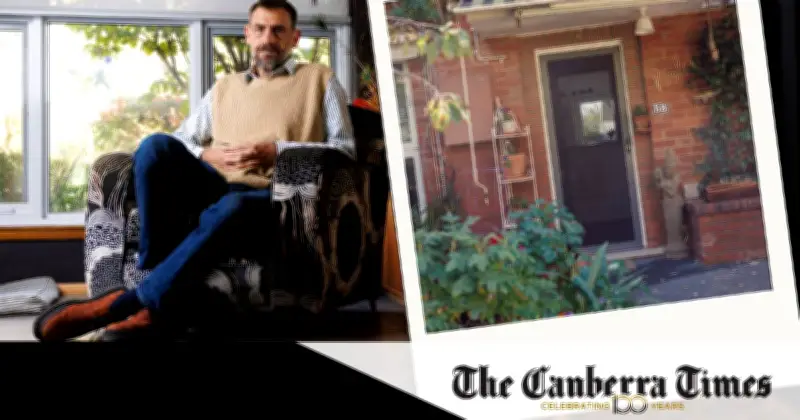
Canberra's postwar duplexes, built between the 1940s and 1960s, were a direct response to a severe housing shortage that threatened the development of the national capital. These modest, semi-detached homes were not merely a stopgap measure; they laid the foundation for the city's distinctive suburban character and continue to influence modern housing debates.
The Housing Crisis That Shaped a City
After World War II, Canberra faced an acute housing crisis. The population surged as the federal government expanded, but construction of new homes had stalled during the war. In 1945, the waiting list for government housing stretched to over 1,000 families, according to the ACT Heritage Library. The solution came in the form of duplexes—two homes under one roof—which could be built faster and more cheaply than detached houses.
The federal government, through the Department of the Interior, launched an ambitious building program. Architects like Cuthbert Whitley and the firm of Ancher, Mortlock & Murray designed hundreds of duplexes in suburbs such as Ainslie, Braddon, Turner, and Reid. These were not the ornate terraces of Sydney or Melbourne but functional, modern homes with red brick, tiled roofs, and front gardens.

Design and Layout
Each duplex typically contained two three-bedroom homes, each with a separate entrance, living room, kitchen, and bathroom. The designs emphasized natural light and cross-ventilation, reflecting the modernist principles of the time. Many featured a distinctive "butterfly" roof—a V-shaped roof that sloped inward—which became a hallmark of postwar Canberra architecture.
The duplexes were built on large blocks, often with a shared driveway and generous front and back yards. This layout encouraged a sense of community, with neighbours sharing responsibilities for gardens and fences. According to the ACT Government's Heritage Register, these duplexes "represent an important phase in the development of Canberra as a planned city."
Impact on Canberra's Growth
By 1956, over 1,200 duplexes had been built in Canberra, housing nearly 5,000 people—about 10% of the city's population at the time. They were instrumental in accommodating the influx of public servants, academics, and their families. The duplexes also helped establish the concept of "garden city" living, with ample green space and low-density development.
Today, many of these duplexes are still standing, though some have been renovated or replaced. They are prized for their solid construction and central locations. However, they also face pressures from urban infill and redevelopment. The ACT government has listed several duplex precincts on the Heritage Register to protect their character.
Modern Relevance
The postwar duplexes offer lessons for today's housing crisis. They demonstrate that medium-density housing can be attractive, affordable, and community-focused. As Canberra grapples with rising property prices and population growth, there is renewed interest in duplex and townhouse developments.
"These homes were built to solve a crisis, and they did it well," said local historian Dr. Nicholas Brown. "They show that thoughtful design and government investment can create lasting housing solutions."
In recent years, the ACT government has encouraged more duplex and multi-unit developments as part of its planning strategy. The challenge is to balance heritage preservation with the need for more homes. The legacy of the postwar duplexes is a reminder that Canberra's identity as a planned city is built on pragmatic, yet visionary, housing policies.