Tropical Storm Arthur, which made landfall along the upper Texas coast, has been downgraded from a cyclone to a low pressure area as its wind intensity weakened on Thursday. Despite the downgrade, forecasters warn that the storm still poses significant threats, including life-threatening flooding, property damage, and disruptions to travel and commerce.
Heavy Rainfall Expected Across the Southeast
The National Hurricane Center in Miami reported that several inches of rain are expected from the storm across the southeastern United States through Friday. Arthur, the first tropical storm of the Atlantic basin season, is predicted to continue weakening as it moves through southeastern Texas and western Louisiana before crossing the region.
Maximum sustained winds have dropped to around 35 mph (55 km/h). All coastal watches and warnings were discontinued on Wednesday, but the hurricane center cautioned that flooding is likely through Friday in parts of Texas, Louisiana, Mississippi, Georgia, and the Florida panhandle.

Preparations and Warnings
In anticipation of the storm, some communities in Louisiana and Mississippi distributed sandbags to residents and cleared debris from drainage systems. National Hurricane Center Director Michael Brennan emphasized that the primary threat from Arthur is a prolonged, multiday heavy rainfall event that could lead to dangerous flash flooding.
Dan DePodwin, AccuWeather Vice President of Forecast Operations, noted that a significant flood risk exists each day this week, shifting slowly eastward from Texas into Wednesday, then to Louisiana, Mississippi, Alabama, and Georgia during the latter half of the week.
Rainfall Totals and Safety Advice
Arthur is expected to produce rainfall totals of 5 to 10 inches (13 to 25 centimeters), with isolated higher amounts near 20 inches (50 centimeters). The National Weather Service weather prediction center issued a High Risk for Excessive Rainfall for portions of the Central Gulf Coast, stating that such risks indicate the potential for widespread and life-threatening flash flooding. They urged the public to never walk or drive into flood waters.
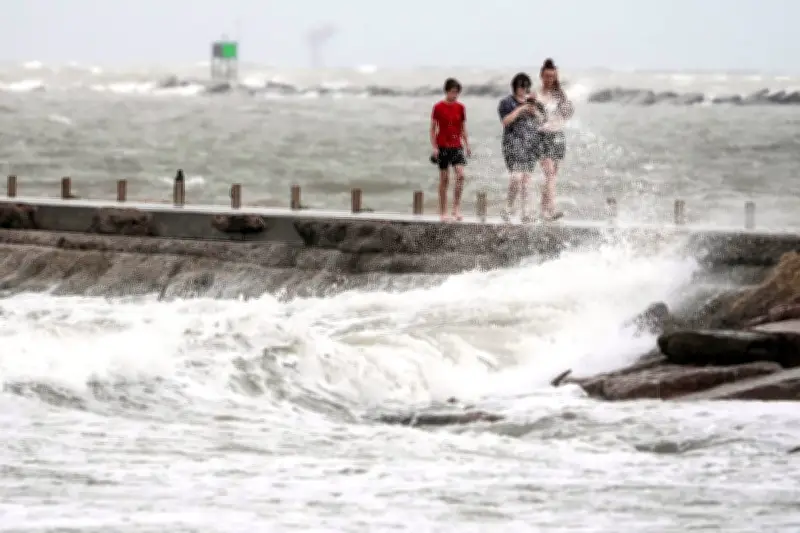
Forecasters also warned that swells generated by the storm could cause life-threatening surf and rip-current conditions along the northwestern Gulf Coast over the next couple of days, with tornadoes possible through Thursday.