Two Australian states will adopt different strategies to protect swimmers from sharks following a series of horrific attacks. New South Wales is considering deploying drones equipped with artificial intelligence technology permanently above popular Sydney beaches during daylight hours in summer, while Western Australia has reaffirmed confidence in its existing safety measures.
NSW Considers AI Drones After Coogee Attack
The potential use of AI-powered drones is one of the strategies NSW authorities are evaluating after a devastating shark attack on 35-year-old mother and teacher Leah Stewart. Stewart was mauled by a great white shark while swimming between the flags at Coogee Beach on Saturday. She has undergone multiple surgeries, had her left arm amputated, and remains in a fight for her life in hospital.
“As a family we are shocked and devastated that this could happen to our beloved partner, daughter, and mother who is so full of life and energy,” loved ones said in a statement. “We share our sincere thanks and gratitude to the lifesavers, first responders, helicopter crew, and the dedicated medical team of doctors, nurses, and support staff at St Vincent’s Hospital Sydney who have been caring for Leah. Our thanks to all who have reached out to the family with sympathy, care and prayer.”

A GoFundMe has been established to support her recovery and the rehabilitation she will need to “try and return to her life being an amazing Mum to her baby daughter”.
Fifth Attack in Sydney Since September
The attack on Stewart is the fifth in Sydney since September and comes just days after a Uruguayan national was bitten on the foot while surfing on the NSW north coast. NSW Premier Chris Minns said, “We need to re-think how we’re approaching shark attacks and shark sightings on Sydney beaches. We know that the drones are equipped with artificial intelligence and they can identify different types of marine life including great whites and bull sharks close to the beaches.”
Minns stated that all shark mitigation strategies are on the table except one: “We’re not going to be contemplating a cull of the great white shark.” He noted that bull sharks are a different story because they are not a protected species.
WA Backs Current Measures After Two Deaths
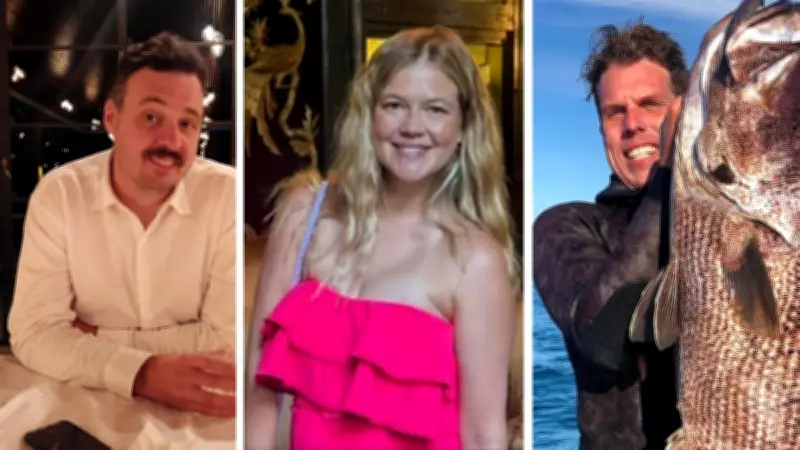
Meanwhile, Western Australia, which is grappling with two recent deadly attacks, has backed its current safety measures. Spearfishers Steven Mattaboni and Daniel Turpin died in separate attacks at Rottnest, near Perth, and Albany, in WA’s Great Southern. The Westpac helicopter keeps swimmers safe between September and April, with 711 shark sightings in the metro area and WA’s South West in 2026—a figure similar to previous years.
WA Premier Roger Cook said, “We continue to be confident of the arrangements we have in place to keep Western Australians as safe as possible in our oceans. That is through our shark tagging process, our smart drum lines and our smart app. Our rebates in relation to shark repellent devices continues to be in place.” When pressed, Cook conceded, “It doesn’t make the oceans completely safe, but it does make them safer.”
On Monday, the WA opposition again called for greater government information around shark numbers.