Haigh Alleges Systemic Mistreatment of Women in Cabinet
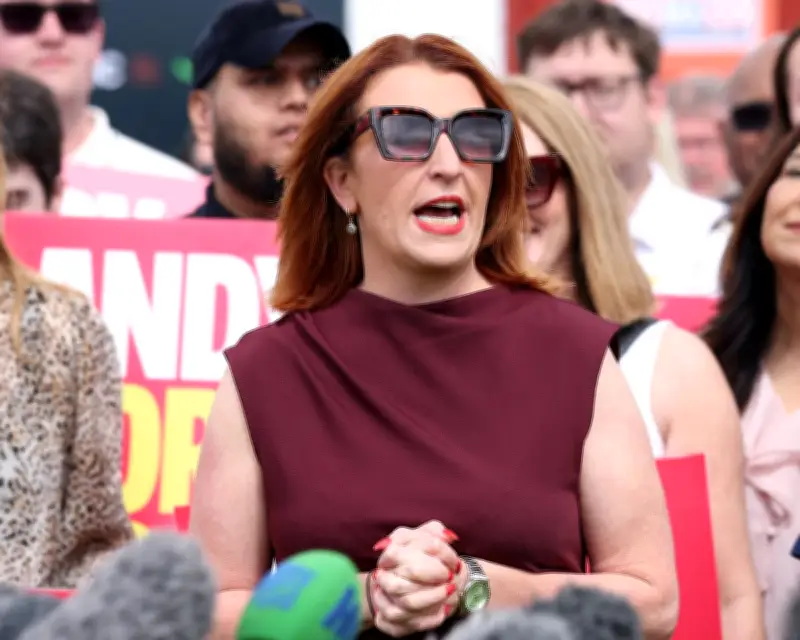
Louise Haigh, the former transport secretary, has launched a blistering attack on a cabal of men surrounding Sir Keir Starmer, accusing them of systematically mistreating and marginalising women in the cabinet. In an interview, Haigh claimed that female ministers are routinely sidelined, their contributions dismissed, and their authority undermined by a small group of male advisers and senior figures.
Haigh, who served in Starmer's shadow cabinet before stepping down in 2023, said that the culture at the top of the Labour Party under Starmer's leadership has become toxic for women. She described a pattern of behaviour where women are often talked over in meetings, given less speaking time, and excluded from key decisions. According to Haigh, this is not just about individual incidents but a systemic issue that needs urgent addressing.
Specific Allegations and Examples
Haigh cited specific examples of what she described as a 'boys' club' atmosphere. She alleged that when female cabinet ministers raised concerns, they were often met with condescension or outright hostility. One instance she recalled involved a female colleague being interrupted repeatedly during a crucial policy discussion, only to have her idea later presented by a male colleague as his own. 'It's a pattern of behaviour that is deeply damaging,' Haigh said.

The former minister also pointed to the lack of female representation in key roles. Despite Starmer's commitment to a 50-50 cabinet, Haigh argued that the reality is different, with women often appointed to less influential portfolios. She noted that men dominate the key economic and security roles, while women are shunted into social policy or cultural briefs.
Response from Starmer's Camp
A spokesperson for Sir Keir Starmer rejected the allegations, stating that the party has made significant progress on gender equality under his leadership. The spokesperson highlighted that the cabinet currently includes a record number of women and that all ministers are treated with respect. 'Keir Starmer is committed to a diverse and inclusive cabinet, and any claims to the contrary are unfounded,' the spokesperson said.
However, Haigh's comments have resonated with other female Labour figures, some of whom have privately expressed similar concerns. One former shadow minister, speaking on condition of anonymity, said that Haigh's account 'reflects the experience of many women in the party.' Another described a 'chilling effect' where women are reluctant to speak up for fear of being labelled difficult or ambitious.
Broader Implications for Labour
The accusations come at a sensitive time for Starmer, who is trying to position Labour as a credible alternative government ahead of the next election. Internal divisions over gender equality could undermine his message of a modern, progressive party. Haigh, who was once seen as a rising star, has become a vocal critic of the leadership's approach to internal party culture.
Political analysts suggest that this row could further strain relations between Starmer and the left wing of the party, where Haigh is a respected figure. It also raises questions about the effectiveness of Labour's internal diversity initiatives. Despite formal policies, the lived experience of female ministers suggests that cultural change is lagging behind rhetoric.
Historical Context and Comparisons
This is not the first time Labour has faced accusations of sexism. Under previous leaders, including Jeremy Corbyn, there were similar complaints about a 'macho' culture. However, Haigh's attack on Starmer is particularly damaging because it comes from within his own moderate wing. She was appointed by Starmer to the shadow transport brief and was seen as a loyalist until her resignation.
Haigh's resignation in 2023 was attributed to personal reasons, but she has now revealed that frustration with the treatment of women was a contributing factor. 'I couldn't stay silent any longer,' she said. 'Women in cabinet deserve better than to be treated as second-class politicians.'
The Labour Party has promised to review its internal processes to ensure that all members, regardless of gender, are treated fairly. But Haigh's allegations suggest that deep-seated attitudes remain a problem at the highest levels.