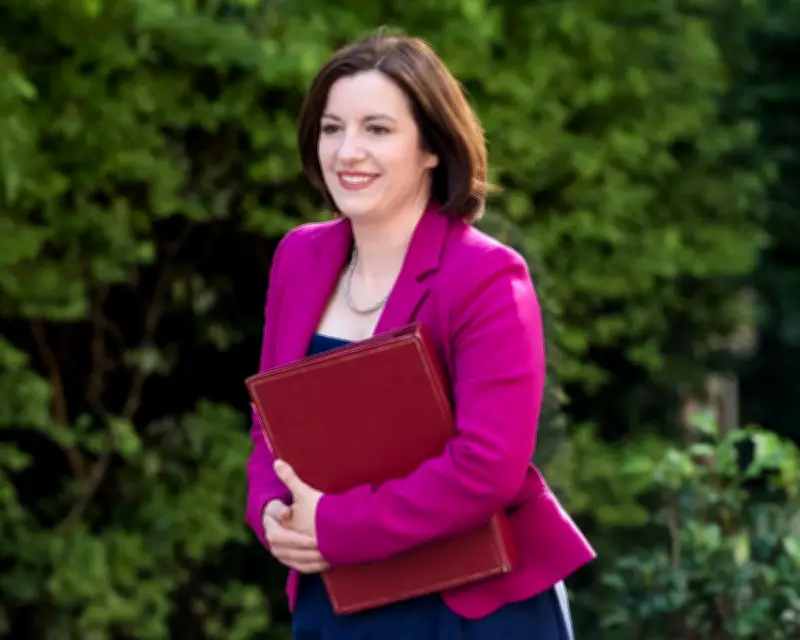
Bridget Phillipson, the education secretary, has stated that the addition of VAT to private school fees has not triggered a mass exodus of pupils into the state sector, contrary to widespread speculation. The Labour government implemented a 20% VAT on private school fees from the start of 2025, ending their previous tax exemption. Newly released admissions data for England indicates no significant influx into state schools since the change.
Phillipson Defends Policy Amid Criticism
Phillipson remarked: “The predicted exodus from private schools simply hasn’t happened and today’s data proves it. Critics warned state schools would be swamped with new pupils. They were wrong. They said private schools would close en masse. They haven’t. We are rebalancing the system to focus on the 94% of kids in state schools, a majority that has been sidelined for too long.”
The admissions data, the first since VAT was applied, is based on applications to state schools made in October last year for places starting next September. Former chancellor Jeremy Hunt was among those who forecast that up to 90,000 children could move to the state sector. However, Department for Education (DfE) figures show a decline in overall applications for both primary and secondary school places this year, with nearly 85% of families receiving their first-choice secondary school place, higher than in 2025 and 2024.

Local Authority Data Shows No Surge
Local authorities in central London, which have high proportions of privately educated children, showed no signs of increased applications. Hammersmith and Fulham and Kensington and Chelsea both received fewer applications for September places compared with the previous two years. Islington saw a slight increase, but the share of families getting their first preference secondary school dropped from 68% to 66%.
The DfE stated that 94% of secondary applicants and 98% of primary applicants in London received an offer from one of their six preferred schools, adding: “That is not a system under pressure.” In Surrey, which was considered a likely hotspot for private school defections, there were fewer applications for secondary places this year, while Kent saw a 2% increase.
Expert Caution and Broader Trends
Experts cautioned that falling birthrates and post-Brexit population shifts may partly mask the VAT impact. The DfE’s 2026 school survey found that while the number of children in all schools fell by 1.2%, independent school numbers dropped by 3.8%, a loss of 22,000 pupils compared with 2025. The Independent Schools Council reported that its members lost 30,000 pupils since VAT introduction, though its membership includes schools in Scotland, Wales, and Northern Ireland, while DfE figures cover England alone and include hundreds of non-ISC private schools.
Private School Numbers and Revenue
The census recorded a continued increase in private schools operating in England, noted by Phillipson. The DfE census showed a rise of 41 private schools in 2026, but this was boosted by 88 new independent special schools opening, offsetting the closure of 47 mainstream schools. The DfE said VAT on private school fees is raising more than initially forecast, likely bringing in £1.8bn annually by 2029-30.
The VAT addition was a Labour manifesto pledge for the 2024 general election, with funds intended to hire 6,500 additional teachers by the end of this parliament. The National Audit Office recently questioned the DfE’s ability to meet this pledge, which targets recruiting more secondary, special needs, and further education teachers.