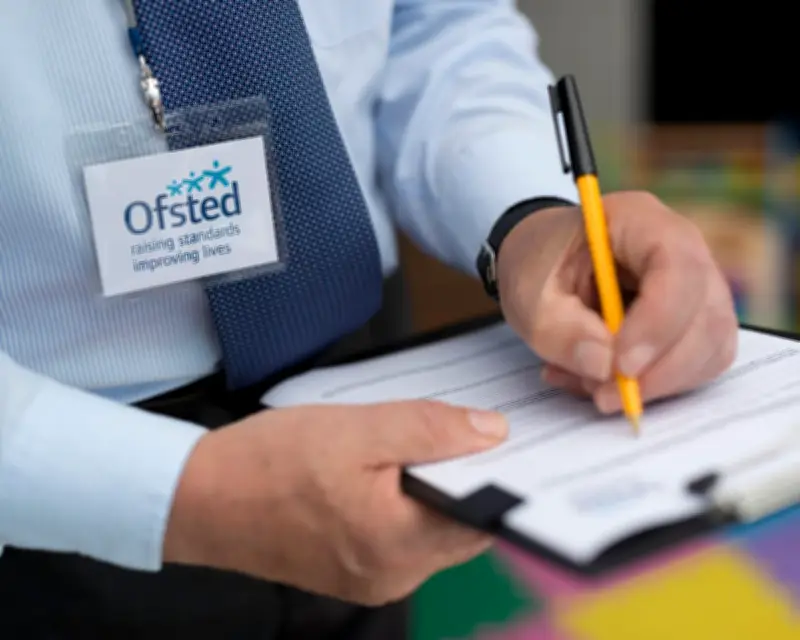
Ofsted has removed a controversial guidance document that suggested autistic children may be more vulnerable to extremist ideologies, following widespread criticism from autism charities and politicians. The guidance, which was part of a broader safeguarding resource for schools, had been published online earlier this week before being taken down on Friday.
What the Guidance Said
The document, titled 'Safeguarding and Extremism: A Guide for Schools', included a section on 'vulnerable groups' that listed autism as a potential risk factor for radicalisation. It stated that autistic pupils 'may be more susceptible to extremist narratives due to difficulties in social communication and a tendency to see the world in black and white'. The guidance also suggested that schools should monitor autistic students for signs of extremism.
Autism charities, including the National Autistic Society, immediately condemned the guidance, arguing that it unfairly stigmatised an already marginalised group. The charity's chief executive, Caroline Stevens, said: 'This guidance is deeply damaging. It perpetuates harmful stereotypes that autistic people are somehow more prone to extremism, which is not supported by evidence. We are relieved that Ofsted has listened and removed it.'

Political Backlash
Several MPs also criticised the guidance. Labour's shadow education secretary, Bridget Phillipson, called it 'appalling' and demanded an apology. She said: 'To single out autistic children in this way is not only wrong but dangerous. It risks alienating them and their families from schools and support services. Ofsted must explain how this was allowed to happen.'
The Liberal Democrats' education spokesperson, Munira Wilson, added: 'This is a staggering failure of judgment. Ofsted should be building trust with the autism community, not reinforcing myths that could lead to discrimination.'
Ofsted's Response
In a statement, an Ofsted spokesperson said: 'We have removed the guidance in question and will be reviewing our procedures to ensure that all future resources are evidence-based and do not cause unintended harm. We apologise for any distress caused.' The spokesperson declined to comment on how the guidance was approved or whether any staff had been disciplined.
The controversy comes as Ofsted faces ongoing scrutiny over its inspection regime and the impact of its judgments on schools. Some critics have called for a broader review of how the inspectorate produces its guidance documents.
Impact and Reactions
The autism community has welcomed the withdrawal but remains wary. A spokesperson for the charity Ambitious about Autism said: 'While we are pleased the guidance has been removed, we need assurances that such a damaging document will never be produced again. Ofsted must engage with autistic people and their families when creating resources that affect them.'
One parent of an autistic child, who asked not to be named, told The Guardian: 'It feels like yet another example of society seeing autism as a problem to be managed rather than a different way of being. My son is not a potential extremist; he's a kind and caring boy. This guidance could have led to him being unfairly targeted at school.'
According to the National Autistic Society, around 1 in 100 people in the UK are autistic, and many face significant barriers in education and employment. The charity has called for mandatory autism training for all school staff to combat misconceptions.
Broader Context
The guidance was part of a series of resources on extremism that Ofsted has produced in recent years, as part of the government's Prevent strategy. However, critics have long argued that Prevent can stigmatise certain groups and create a climate of suspicion in schools.
A 2023 report by the House of Commons Home Affairs Committee found that the Prevent programme had been 'inconsistent' and had 'damaged community relations'. The committee recommended that schools focus on building resilience to extremism through inclusive education rather than surveillance.
The removal of the autism guidance is likely to fuel further debate about the role of schools in counter-extremism efforts and the need for policies that do not inadvertently discriminate against vulnerable pupils.