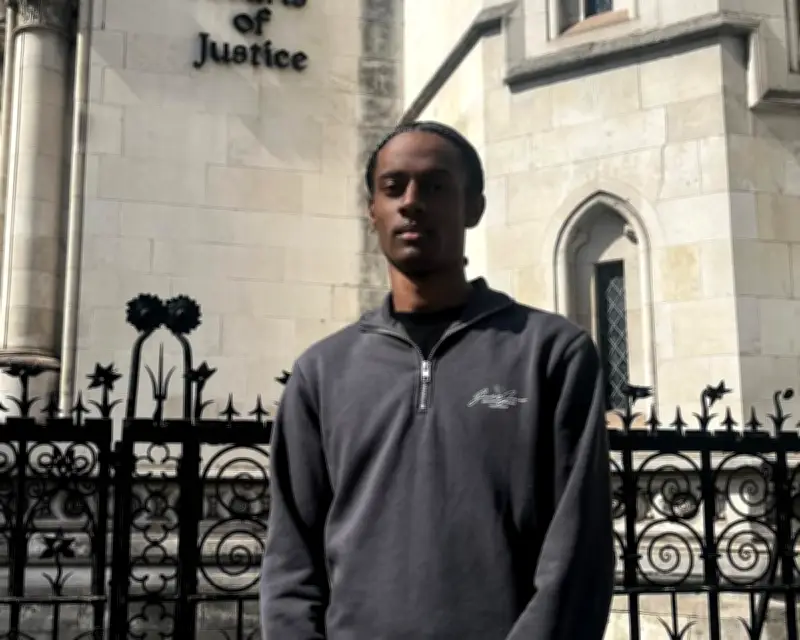
Daryl McLune, a black man who was wrongly arrested by the Metropolitan Police in 2020, has won a race discrimination claim against the force. An employment tribunal ruled that officers targeted him because of his race during the incident in London.
Background of the Case
McLune was arrested in August 2020 after a confrontation with police officers who had stopped him while he was walking home. He was handcuffed and taken to a police station, where he was held for several hours before being released without charge. The officers alleged that he had been aggressive and refused to comply with their instructions.
Tribunal Findings
The tribunal found that the officers had no reasonable grounds to arrest McLune and that their actions were influenced by racial stereotypes. It stated that the officers perceived McLune as a threat simply because he was a black man in a predominantly white area. The tribunal also noted that the officers' accounts of the incident were inconsistent and unreliable.

Impact on McLune
McLune described the arrest as a traumatic experience that left him feeling humiliated and angry. He said he had been subjected to racial profiling and that the police had treated him unfairly. The tribunal awarded him compensation for the discrimination and wrongful arrest.
Response from the Met Police
The Metropolitan Police issued a statement acknowledging the tribunal's decision and apologizing to McLune. The force said it was committed to addressing racial bias within its ranks and would review its training and procedures to prevent similar incidents in the future. However, critics argue that more needs to be done to tackle systemic racism in the police.
Broader Context
The case comes amid ongoing concerns about racial profiling and discrimination by the Metropolitan Police. Several high-profile cases have highlighted the disproportionate impact of stop-and-search powers and arrests on black and ethnic minority individuals. Activists have called for urgent reforms to build trust between the police and the communities they serve.
McLune's victory is seen as a significant step in holding the police accountable for discriminatory practices. His legal team said the ruling sends a clear message that racial profiling will not be tolerated.