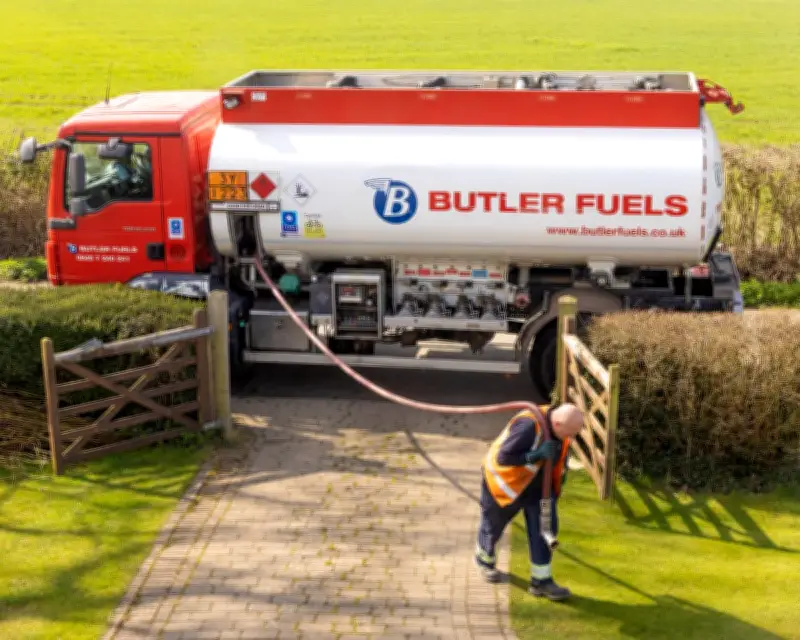
The Organisation for Economic Co-operation and Development (OECD) has warned that rural areas in the United Kingdom are particularly vulnerable to diesel shortages if the conflict in Iran continues to disrupt supply chains. The warning comes as part of the OECD's latest economic outlook, which outlines the heightened risks to the UK economy from the ongoing geopolitical tensions.
Economic Growth Forecasts
The OECD now predicts UK economic growth of 0.9% for this year, a modest upgrade from the 0.7% forecast in March. This improvement is attributed to increased government spending providing short-term support. However, the outlook for 2025 is weaker, with growth expected at 1.1%, down from the previous estimate of 1.3%.
Energy Supply Risks
The OECD highlighted potential shortfalls in key energy products, stating that "localised shortages of diesel could weigh on activity, especially in rural areas." Additionally, low stocks of jet fuel pose risks for high-value trade sectors such as pharmaceuticals and tourism. Chancellor Rachel Reeves has already intervened to support rural consumers reliant on domestic heating oil, which has surged in price since the conflict began.

Ministers have faced criticism for failing to implement planned sanctions on jet fuel refined from Russian crude oil, amid growing concerns about potential supply shortages.
Impact on Food Prices
The OECD also warned that the UK faces a significant challenge from increased fertiliser costs, which are expected to feed through to higher food prices as a result of the conflict. Inflation is forecast to average 3.7% in 2026, peaking in the third quarter before falling back to 2.4% the following year, still above the target.
Interest Rate Expectations
Despite rising prices, the OECD does not expect the Bank of England to raise interest rates. The slowdown in the jobs market is limiting workers' ability to bid up wages, preventing inflation from becoming entrenched. The Bank is expected to look through the energy price shock, with Governor Andrew Bailey stating last week that "tolerating temporarily above-target inflation to provide some support for the real economy is an appropriate way to approach the trade-off."
The OECD predicts a quarter-point cut in interest rates to 3.5%, contrary to financial market expectations of higher borrowing costs.
Government Response
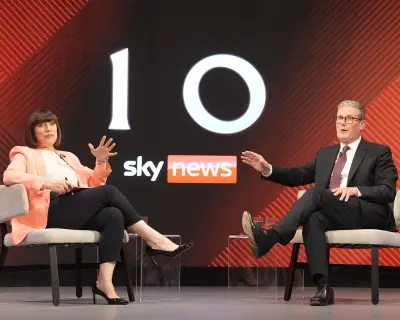
Chancellor Rachel Reeves responded to the OECD release, saying: "The conflict in the Middle East poses a significant challenge to the world economy. Despite this, the OECD now expects UK inflation to be lower and growth higher than previously thought. We have the right economic plan, and changing course would put that progress at risk, with families and businesses paying the price."