Brittany Higgins has revealed that she decided not to change her name when she got married in 2024 because she is proud to be known as Brittany Higgins. The former Liberal staffer made the comments in Silenced, a documentary about violence against women that opened the Sydney Film Festival on Wednesday.
In a highly emotional interview featured in the film, Higgins said: "When I got married I had this opportunity to change my name but I didn't because I'm really proud to be Brittany Higgins. Hopefully, this is just a footnote in my story and it's not the headliner any more."
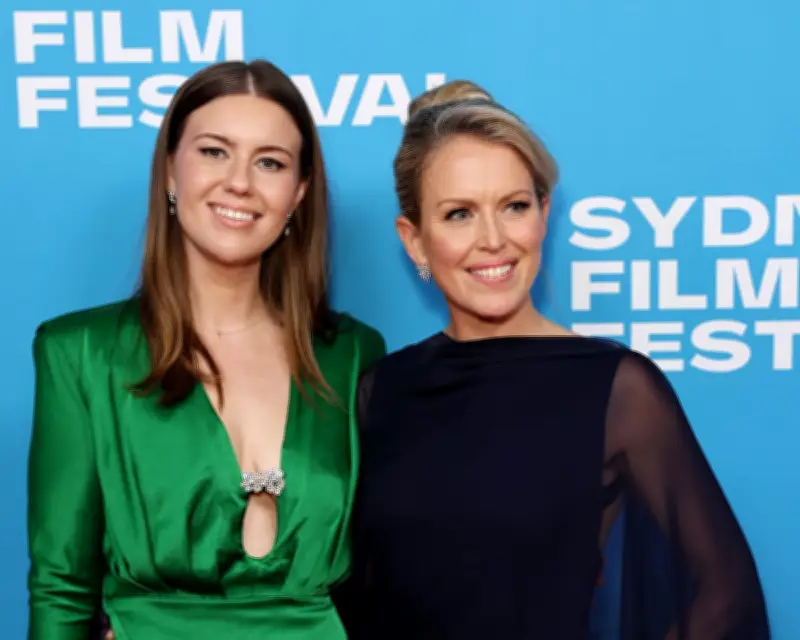
Higgins walked the red carpet at the festival alongside Australian barrister Jennifer Robinson, who represented Amber Heard in a defamation case brought by her ex-husband Johnny Depp. Heard also appears in the documentary, which is based on Robinson's book How Many More Women?

Since 2021, when Higgins told the media she had been raped by a colleague on a minister's couch in Parliament House two years earlier, the name "Brittany Higgins" has been a constant presence in headlines. Her rape allegation against Bruce Lehrmann led to a trial in the Australian Capital Territory, but the trial was aborted due to juror misconduct. Lehrmann denied the allegations. The ACT prosecutor Shane Drumgold dropped the case after receiving medical advice regarding Higgins.
Lehrmann later sued Network 10 and journalist Lisa Wilkinson for defamation over the story. He lost the case, and the Federal Court found that, on the balance of probabilities, he had raped Higgins. Despite this, media scrutiny of Higgins did not subside.
Directed by Australian filmmaker Selina Miles, Silenced argues that defamation cases are being used globally to silence women and the media from speaking about and reporting on gender-based violence. In the documentary, Higgins describes the experience of giving evidence in Lehrmann's rape trial in the ACT.
"I had heard that the process was ugly and I knew it would be terrible," Higgins said. "They'll take every bit of data that you have. Your diaries. My counselling records. My doctors' visits. Everything. Getting ready for that process every morning, putting on clothes that make you look like someone who is rapeable, quote unquote, and yet someone who is also respectable, it's so nerve-wracking and so stressful."
The Sundance-premiered documentary also explores the toll the multiple legal cases and media spotlight have taken on Higgins's mental health. "There was a point where I almost took my life, because I didn't want to do it anymore," she said, referring to the ACT criminal trial. "The police, luckily, intervened."
After fleeing the country with her husband David Sharaz in 2023, the media tracked her down in France. "We didn't realise the level we were being stalked," Higgins said, as footage showed journalists hovering around the property. "We had a line of journos waiting for me to leave the house. I physically didn't feel safe. There were threats to kill my dog."
Lehrmann lost his final legal avenue to challenge his failed defamation case against Network 10 and Lisa Wilkinson after the High Court dismissed his case in April 2024. Higgins appears in the film cradling her baby boy, saying, "It's going to take a while to fully feel OK again. But we're getting there."