Amid the decline of traditional publishing, self-publication and handmade 'zine' magazines are flourishing in Japan, driven by a desire for tangible, AI-proof media that engages all five senses.
The Appeal of Handmade Media
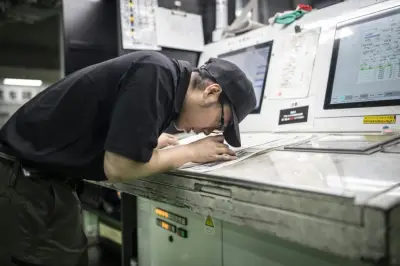
At a print factory in Kyoto, two creators watch their photo essay come to life on broadsheet paper. Photographer Kazuma Obara, 40, says paper is a medium that engages all five senses, unlike social media. Writer Akihico Mori, 44, adds that people can feel the creator's passion when holding a physical work, something AI simply cannot replicate. Their work was showcased at the Kyotographie international photography festival in May.
Printing Press Revival
Kyoto Shimbun newspaper offers its printing press to artists as subscription numbers fall. The company's services have been used by creators aged from teenagers to their 70s. Yoshihiko Okazaki of Kyoto Shimbun Printing says the trend surprisingly resonates with younger people, who find it interesting precisely because it is old.

Market Growth
Japan's print media has seen a rapid decline: book and magazine sales fell to 40% of their 1996 peak, and newspaper circulation dropped to half of its 1997 high. However, the self-publishing market is estimated at 150 billion yen (US$940 million) for the year ending March 2026, nearly double the figure four years ago, according to a private research firm cited by NHK.
Zine Culture Thrives
At a Tokyo zine fair, hundreds of visitors browsed handmade magazines in various sizes and formats, featuring abstract designs, photography, and personal monologues. Visitor Harumi Kikuchi, 22, notes that AI and social media are algorithm-driven, but zines offer diverse worldviews. Creator Watashi Kishino, who hand-draws her daily life, says there is charm in having something tangible to hold.
Bookstores Embrace Zines
Major bookstores are adopting the trend. Sanseido, a 145-year-old bookstore in Tokyo's Jimbocho district, started stocking zines a year ago. Deputy head Masato Sugiura says zines appeal to a different audience than traditional readers, offering niche topics that speak directly to individuals. Kishino remains hopeful that physical books and magazines will endure, as there is warmth that only paper can offer.