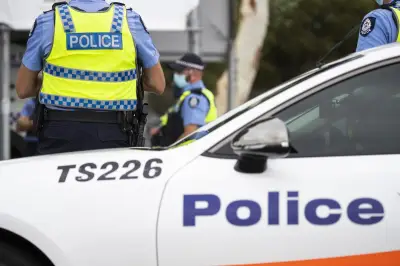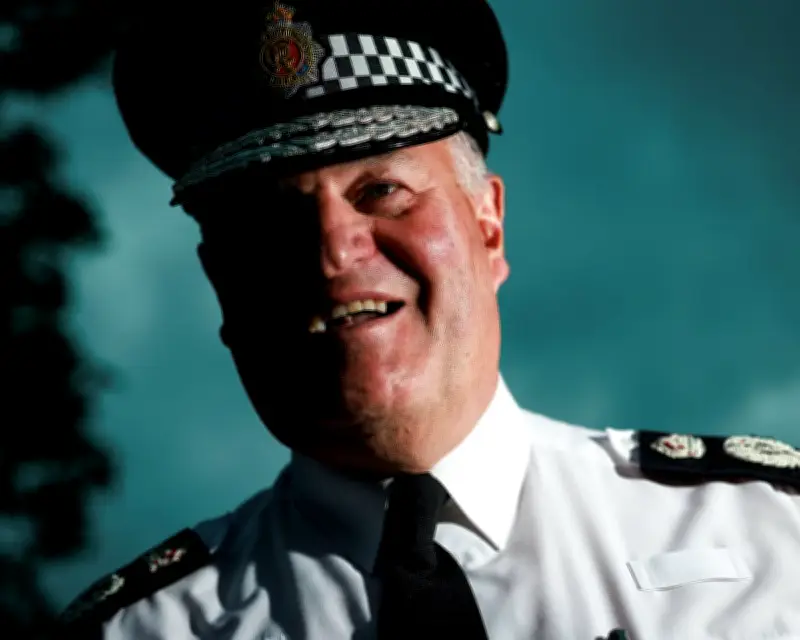
A senior police officer has acknowledged that anti-racism guidance issued to forces has inadvertently fuelled the public perception of a two-tier policing system, where some groups are treated more leniently than others. The admission comes amid ongoing debate about police impartiality and the handling of protests and public order events.
Guidance under scrutiny
Speaking at a policing conference, the officer, who wished to remain anonymous, stated that the guidance, intended to address systemic racism, had been misinterpreted by the public and some officers. He said it had created a narrative that police were applying different standards based on ethnicity or political affiliation. According to the officer, the guidance was meant to ensure fair treatment but had the unintended consequence of reinforcing the myth of two-tier policing.
Critics have long argued that the police treat far-right protesters more harshly than left-wing activists or ethnic minority groups. The officer conceded that the guidance had not been clearly communicated, leading to confusion and mistrust. He called for a review of how such policies are implemented and explained to the public.

Impact on public trust
The myth of two-tier policing has been cited by various groups, including political commentators and community leaders, as evidence of bias within the force. A recent survey by the Police Federation found that 62% of officers believe the public perceives a two-tier system, though only 15% of officers themselves think it exists. The senior officer emphasized that the vast majority of police work is carried out impartially, but acknowledged that perception is damaging trust.
“We need to rebuild confidence by being transparent about our policies and ensuring that all communities feel they are treated equally,” he said. The officer also noted that the guidance had been developed with input from equality experts, but its rollout lacked sufficient public engagement.
Political reactions
The admission has drawn mixed reactions. Home Office officials have defended the anti-racism guidance as necessary to address historical inequalities. A spokesperson said: “We are committed to fair policing for all. Any perception of bias is taken seriously, and we will work with forces to improve communication.” However, opposition MPs have called for an independent inquiry into how the guidance was developed and implemented.
The debate over two-tier policing is likely to continue, with the senior officer’s comments adding fuel to both sides. For now, the focus remains on how police can balance anti-racism efforts with the need to maintain public confidence in their impartiality.