New York City is moving to implement a new rule that would prohibit companies from using deceptive subscription practices to trap customers into paying for gym memberships, streaming services, and other recurring charges, according to the city’s consumer protection office. The rule, set to take effect on 1 October, promises hefty fines and aggressive enforcement for violators. Companies that fail to provide a simple cancellation method could face a penalty of $525 per user subscription, along with back fees and additional fines.
Targeting Junk Fees Across Industries
The city is also taking aim at so-called “junk fees” that inflate the final price of goods and services, from apartments to sporting events. A proposed rule would require sellers to “advertise the total price for any good or service, including all mandatory additional charges and fees, up front,” according to a release shared with the Guardian. New York would become the first US city to implement such a ban.
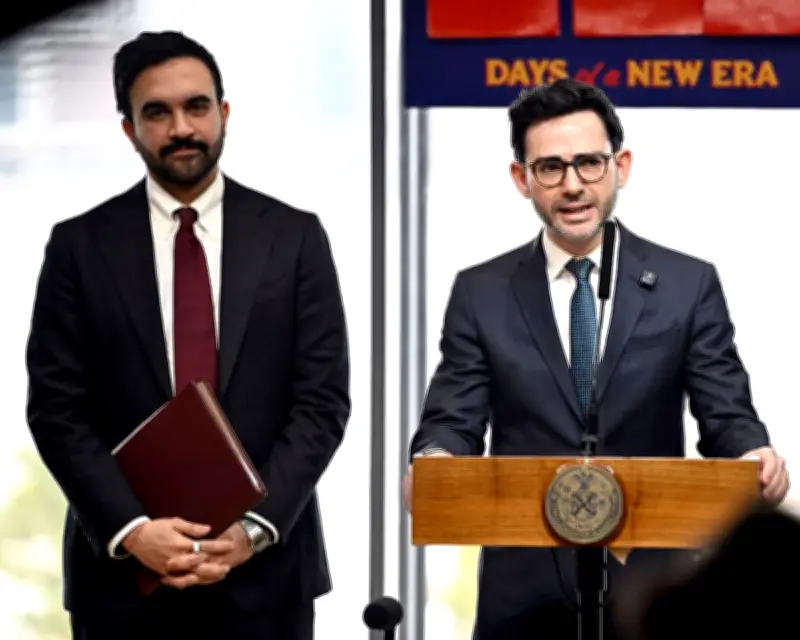
“People shouldn’t have to wait on hold for half an hour or send a certified letter or show up to a store in person in order to cancel” a subscription, said Samuel AA Levine, the city’s commissioner of consumer and worker protection, in an interview. The new measures are expected to be announced at a press conference on Friday morning.

Impact on Housing Market
The proposed fee rule could have a particularly wide impact on New York’s expensive housing market, where about 70% of residents rent. Apartment renters in the US face a rising tide of add-on fees such as “boiler management” and “lifestyle” charges from management companies, which can make true rental costs hundreds of dollars higher than the price stated on real-estate company websites. If the proposed rule passes after public comment and hearing, any mandatory fees, including annual ones, would need to be included in the stated monthly rental price, Levine said.
The current situation creates “a scenario where rather than competing on price, companies are competing on their ability to hide the true price. That’s the worst kind of incentive” – and one that deeply distorts the market, Levine added.
Regulatory Push Against Corporate Malpractice
The moves are part of an aggressive push by Mayor Zohran Mamdani and Levine, a former head of consumer protection at the Federal Trade Commission (FTC), to rein in what they see as predatory corporate malpractice nationwide. “In the dawn of the [Ronald] Reagan era, the FTC and others in Washington said expressly that … markets could correct themselves, regulate themselves, they were going to stop writing rules,” and allow companies to police their own behavior, Levine said. “What it has gotten us is 40 years of deceptive pricing,” he said.
Bans on junk fees and subscription traps are generally popular with consumers, but have been fought aggressively by industry groups. When the Biden administration introduced a junk fee rule in 2024, the US Chamber of Commerce argued it was “an attempt to micromanage businesses’ pricing structures”, and apartment fees were cut from that federal rule after lobbying by the real-estate industry. A national click-to-cancel rule introduced by the Biden administration was struck down by a federal judge in 2025, days before it was set to go into effect, over a procedural rule. Donald Trump’s FTC plans to pass a similar rule in coming months.
Potential Savings for Consumers
Companies make billions of dollars a year from automatic subscription renewals that consumers do not want or do not know they have. The subscription rule could save New Yorkers alone as much as $162.5 million per year, according to estimates from the Roosevelt Institute thinktank. While the subscription rule would only apply to New York City residents, the proposed junk fee rule affects companies such as hotels and rental car agencies that cater to visitors. If you are staying in a hotel in the city that hits you with undisclosed fees upon check-in, “you should complain to us,” Levine said.

The new rule is the Mamdani administration’s latest attempt to address the affordability crisis after heavily campaigning on making the city cheaper for residents. Members of Mamdani’s democratic socialist party endorsed by the mayor won a flurry of primary elections in recent weeks, as some voters embrace leftwing populism that promises to empower working-class Americans, similar to pledges by Trump in the past three presidential elections.
Additional Proposals and Next Steps
The New York City Council has also proposed a rule banning “surveillance pricing”, in which companies charge consumers different prices for the same good or service based on algorithmic information from their spending and other personal habits. Maryland banned the practice in April, while Colorado’s governor vetoed a ban last month. The city will take public comments on the junk fee rule and then hold a hearing, Levine said. “I certainly hope that we can get this rule done by the end of the year.”